Get Full Government Meeting Transcripts, Videos, & Alerts Forever!
Get email alerts on the Labor And Regulation topic
No spam. Unsubscribe anytime.
Senate approves amendment to let 18–20-year-olds bartend under supervision
Summary
After debate over maturity and safety, the Senate adopted an amendment and approved HB 1-95 to permit 18–20-year-olds to bartend under direct supervision by a 21+ worker, with exclusions for certain adult-entertainment settings and updated training requirements.
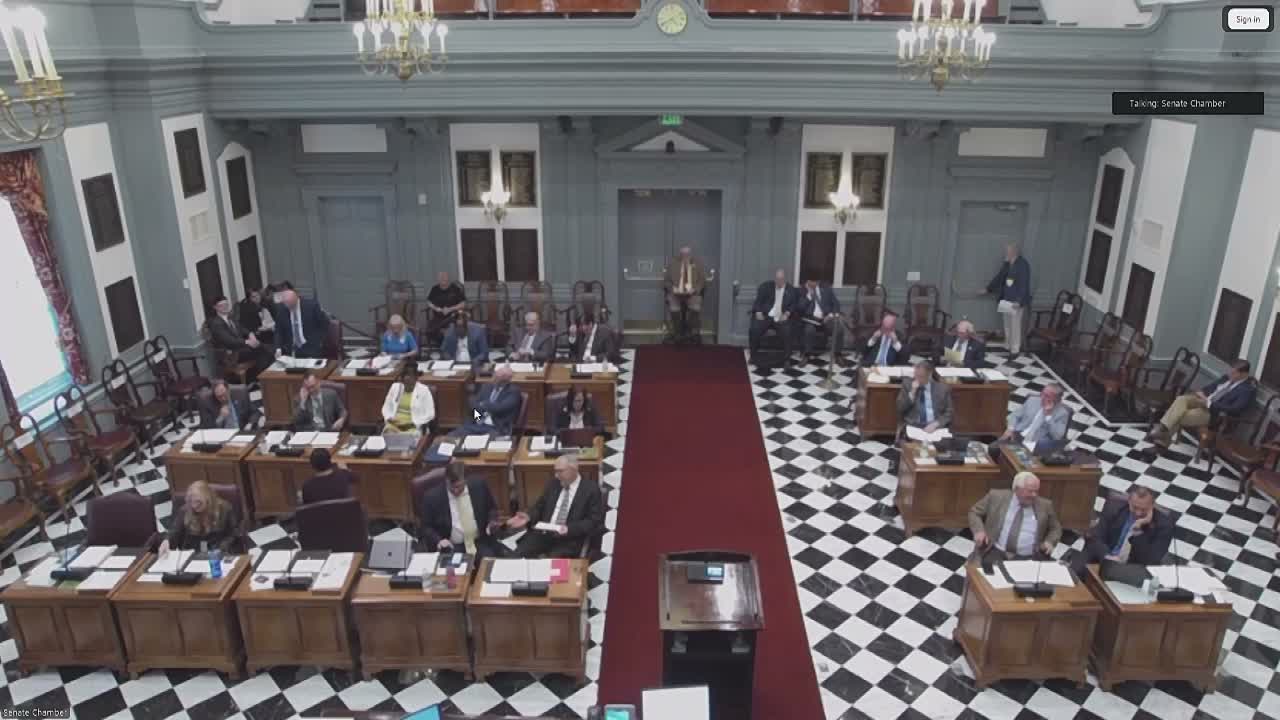
The Senate debated and then approved House Bill 1-95 with an incorporated Senate amendment May 6, lowering the legal bartending age to 18 for those who meet training and supervision requirements.
Sponsor Senator Walsh (speaker 14) said the bill was a small-business workforce initiative developed with the Delaware Alcohol Beverage Commissioner and industry groups and that it would allow 18–20-year-olds to bartend under direct supervision of a 21-or-older worker. "So this amendment was brought to us by several constituents and some educators," Walsh said when introducing the amendment clarifying that anyone under 19 enrolled in secondary education may not prepare alcoholic liquor.
Senator Buxton (speaker 11) and others raised concerns about whether 18–20-year-olds have the maturity to judge intoxication and work in late-night bar environments; Buxton said he supported small businesses but was uncomfortable with younger workers in certain settings. Walsh responded that mandatory training (increased from every four years to every two years) would include recognition of intoxication and that the bill includes an exclusion for establishments categorized as adult entertainment.
The roll call on the amended bill recorded 14 yes, 5 no, and 2 not voting; the presiding officer declared the bill passed to the next stage.
What’s next: If enacted into law, the change will require employers to comply with the supervision and training requirements in statute and for regulators to update guidance and training schedules.