Get Full Government Meeting Transcripts, Videos, & Alerts Forever!
Get email alerts on the Surveillance And Privacy topic
No spam. Unsubscribe anytime.
Munhall council faces residents' privacy concerns over license‑plate reader pilot
Summary
Residents questioned a trial of Flock license‑plate reader cameras at the April 15 Munhall Borough Council meeting; police defended the pilot as a tool to fight crime while an IT professional warned about vendor data practices. Council said the pilot's performance will be reviewed before any contract vote.
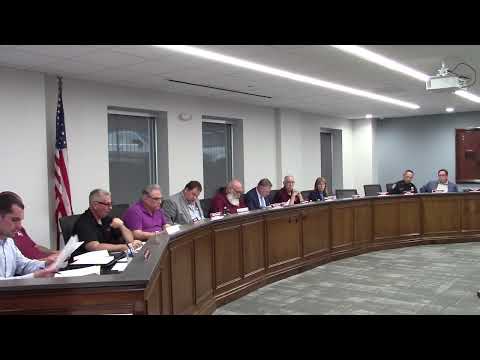
Munhall Borough residents pressed the council on April 15 over a pilot program using Flock license‑plate reader (LPR) cameras, expressing privacy concerns and asking how the borough will decide whether to continue the trial.
"What are these cameras supposed to be?" asked resident Carol Pass, who said she worried the technology was an "invasion of privacy." The borough police chief replied that the devices are license‑plate readers used to help solve crimes and gave an example in which LPR data helped locate a vehicle involved in a hit‑and‑run.
The chief said the borough's system is monitored in coordination with the county dispatch and the district attorney's office and that only law enforcement runs plate checks. "When that hits in our area, it alerts us and then we're able to respond," the chief said.
An attendee who identified himself as an IT professional cautioned that vendors sometimes sell or license data and that broader data‑mining practices can lead to unwanted solicitations. "There's got to be balance," he said, warning that access to location and plate data can be repurposed by private parties unless guarded.
Council members acknowledged those concerns and said the camera deployment is a pilot that the borough will evaluate. The chief said the pilot is scheduled to be renewed for an additional six months for performance review; any longer‑term contract or continued deployment would be brought to council for a formal decision and would be discussed in a workshop before a final vote.
Several residents asked for clearer public notice when the council considers the cameras so people can attend and speak. Council leaders said they will include the item on a workshop agenda and invited public input before any contract approval.
The discussion did not produce a final council vote on contracting for LPR services; instead, council pledged to review the pilot's results and to take resident input into account before voting.