Get Full Government Meeting Transcripts, Videos, & Alerts Forever!
Get email alerts on the Education Policy topic
No spam. Unsubscribe anytime.
District presenters outline dress-code approach, emphasizing safety, dignity and student voice
Summary
Quincy School District staff reviewed the history and current practice of dress-code enforcement, explaining a shift from prescriptive lists to PBIS-aligned, safety-focused guidance; presenters emphasized protecting student dignity, tracking incidents, involving students, and holding a follow-up work session.
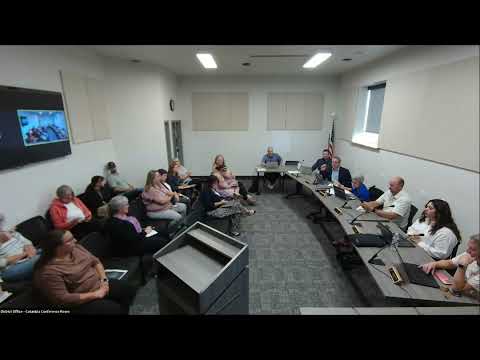
District staff and board leadership used a work session to review the Quincy School District’s dress-code history, enforcement practices and next steps, emphasizing safety, cultural responsiveness and efforts to keep students in class.
Presenters said the district moved away from a long, prescriptive list of banned items after observing inconsistent enforcement and unintended consequences. As one presenter explained, the district now frames dress expectations within PBIS (Positive Behavioral Interventions and Supports) to promote consistency across buildings and reduce situations in which staff felt uncertain about intervening.
Staff told the board that dress-code enforcement had at times affected female students more often and that past practices included physically measuring straps or marking clothing; they said co‑construction with teachers in 2018 and further local adjustments in 2022 helped produce shared expectations. Presenters also described the district’s priority on safety: certain items or symbols associated with gang affiliation, depictions of drugs or alcohol, or attire that creates a safety hazard in CTE and lab settings are subject to specific restrictions. District staff highlighted partnerships with regional police and community programs to support students identified as at risk.
The presenters emphasized nonpunitive first responses when possible: simple in-class adjustments (turning a shirt inside-out, adding a sweatshirt), conversations with students, counselor interventions and, when appropriate, parent contact. They said the stated goal is to minimize removing students from instruction unless there is a material and substantial disruption or a clear safety concern.
Student voice and equity were recurring themes. A student representative who spoke during the session urged the board to consider how policies can feel like a ‘‘constant sexualization of young teenage girls’’ and urged that any changes include meaningful student input. Presenters agreed that differences in body types, cultural expression and family circumstances mean enforcement must be culturally responsive and fairly applied.
Staff reported low incident counts at many schools (examples cited: one or two dress-code incidents in a school year in some buildings) but said tracking and sharing building-level procedures online could be improved. Board members and staff agreed to continue the conversation in a work session, to involve students and parents, and to clarify which rules are district policy versus building procedures before recommending any board-level changes.
The presentation did not result in a motion to change district policy at the meeting; staff described the session as informational and said a follow-up work session and broader stakeholder outreach are planned.