Get Full Government Meeting Transcripts, Videos, & Alerts Forever!
Get email alerts on the Annexation topic
No spam. Unsubscribe anytime.
Residents urge Live Oak commission to reject annexation tied to Ordinance 1532
Summary
At a public hearing on Ordinance 1532, multiple Live Oak residents urged the City Commission to deny an annexation request covering roughly 13–15 acres, raising concerns about traffic on County Road 136, drainage, precedent for further city expansion and potential strain on local services.
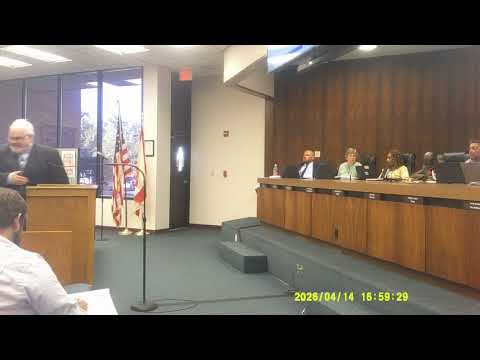
Dozens of residents urged the City of Live Oak Commission to reject Ordinance 1532, an annexation request that would bring about 13–15 acres into the city, saying the move would open the door to large developments that the community cannot support.
At the public hearing, Carolyn Spillitor, a real estate broker and lifelong Live Oak resident, told commissioners she lives about a mile west of the parcel and that "Our roads on 136 cannot handle a big development." She said she had observed long lines of cars outside rush hours and questioned the developers' technical plans for drainage, telling the body that a proposed retention pond and berm could be incompatible if not properly engineered.
Several other speakers raised similar concerns. Elsie Cerritos said annexation would set a precedent that could lead to more parcels being incorporated into the city and alter the character of Lyford. "This will continue," she said, urging commissioners to consider the future of residents, children and grandchildren before approving the measure.
Sheryl Foote, who said she had seen similar growth near Orlando, told the commission that annexation threatens traffic, drainage and community safety. She asked commissioners, if they did not block annexation, to impose clear conditions: a pre-development traffic survey, a post-opening survey, and enforceable flood-mitigation measures to ensure the project does not worsen existing problems.
Adam Collins, who was sworn in before speaking, argued annexation itself "isn't an approval" but begins a process that "greases the wheels" for development: "Every time you move it along the process, more money gets put in, engineers get hired, studies get done," Collins said, urging the commission to refuse annexation as a preventive measure.
John Gill, who lives adjacent to the property, said the proposed plan would strain roads and local emergency services and said the community could accept a smaller single-family plan but not the larger development he expects from the annexation. Later in the hearing, speakers in the room were asked to stand if they opposed Ordinance 1532 as a visible show of constituent opposition.
A commission attorney clarified legal limits on conditions tied to annexation: "Annexation is governed by the Florida statutes at the state level," the attorney said, explaining that while land-use and zoning approvals can include conditions recommended by the planning board, annexation itself follows statutory procedures and the council ultimately decides whether to adopt any zoning conditions when it takes later actions.
The hearing also included statements from a representative of the property owner asking that the city accept a single application so the project would be reviewed once rather than split between city and county jurisdictions. That representative acknowledged the need to demonstrate plans addressing traffic, drainage and other concerns before any development approval.
No formal vote on Ordinance 1532 is recorded in the transcript. The comments establish that many nearby residents oppose annexation and that the commission and staff will need to weigh traffic and stormwater evidence, precedent concerns, and potential conditions if the matter returns for council action.
The commission did not take a recorded final action in the provided transcript; next steps were not specified in the hearing excerpts.