Get Full Government Meeting Transcripts, Videos, & Alerts Forever!
Get email alerts on the Agriculture Overtime topic
No spam. Unsubscribe anytime.
Senate adopts bill raising agricultural overtime threshold to 56 hours after extended debate
Summary
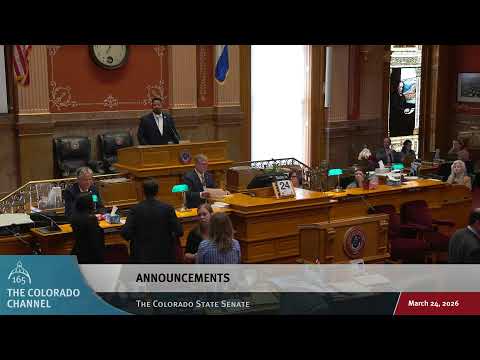
After hours of floor debate and dozens of failed amendments, the Colorado Senate on March 24 adopted Senate Bill 121, which adjusts when agricultural employers must pay overtime by setting a 56-hour threshold for certain workers; the measure drew sharp exchanges over worker protections and industry viability.
The Colorado Senate on March 24 adopted Senate Bill 121, a measure that adjusts when agricultural employers must pay overtime, setting a 56-hour threshold for certain agricultural workers and preserving a separate seasonal threshold for others. The bill passed after prolonged debate and a string of proposed amendments failed on the floor.
Supporters said the change balances protections for farm workers with the economic realities of seasonal, weather-dependent agriculture. “This proposal…creates a system that both of us can…survive,” said Senator Simpson, sponsor of the bill, arguing the industry needs flexibility to remain viable and retain seasonal labor.
Opponents said the threshold preserves unequal treatment of agricultural workers compared with other workers and pressed for a lower overtime trigger. Senator Wallace argued the amendment to set overtime at 40 hours would correct “the discriminatory origins” of agricultural exemptions and give workers parity with other occupations. Senator Kip, who opposed the bill, warned that carving special rules risks creating an adverse precedent.
The floor considered a long list of amendments—addressing issues including manager exemptions, treatment of remote range workers and sheep herders, rate of overtime pay, rulemaking authority for the Department of Labor and Employment, and requests for additional studies and outreach. Most amendments were rejected by voice votes; the chamber debated the merits of specific carve-outs for sheep herders and for a narrowly defined ‘‘decision‑making manager’’ exemption.
Several senators described the personal and economic stakes on both sides. Senator Catelyn recounted long-term ties between families, ranch owners and hired herders; Senator Benavidas and Senator Weissman emphasized protecting workers’ rights and noted the legislative history of earlier overtime changes.
After the final quorum voice vote, the presiding officer announced that the bill was adopted. The bill will be transmitted for enrollment and any further required executive action.
What’s next: with Senate passage, the bill moves to the next steps in the legislative process according to chamber rules.