Get Full Government Meeting Transcripts, Videos, & Alerts Forever!
Get email alerts on the Economic Development topic
No spam. Unsubscribe anytime.
Santa Cruz County agrees to explore joining Scotts Valley infrastructure financing district
Summary
The Board of Supervisors voted 5-0 April 14 to adopt a resolution of intention to participate in the City of Scotts ValleyEnhanced Infrastructure Financing District formation process, joining a multi-agency effort to capture future property-tax increment for infrastructure, affordable housing and wildfire prevention.
The Santa Cruz County Board of Supervisors voted unanimously April 14 to move forward with exploring participation in an Enhanced Infrastructure Financing District, or EIFD, proposed by the City of Scotts Valley.
The boardadopted a resolution of intention, appointed Supervisor Monica Martinez and County Executive Officer Nicole Coburn to the Public Financing Authority that would govern the district, and found the district-formation step exempt from the California Environmental Quality Act. County staff and city consultants said the step does not exempt later development projects from CEQA review.
Nicole Coburn, the countyexecutive officer, told the board the countywould only be asked to contribute up to 25% of its share of future property-tax growth, for no more than 30 years, and that existing property-tax revenue streams would not be touched. Peter Detlefs, the countyPrincipal Administrative Analyst, said the proposed district boundary covers about 236 acres with an assessed value of roughly $145 million and that consultants estimate an infrastructure financing capacity of about $40 million over time.
Kosmont Financial Services, the board was told, modeled a scenario in which the county would nominally contribute about $12 million over 30 years while retaining roughly $35.9 million in new revenues; the model produced an estimated net present-value benefit to the county of about $18.4 million. Both city and county staff stressed these are project-based projections and will vary with market conditions.
Scotts Valley officials said the district boundary was deliberately targeted at opportunity sites identified in the cityhousing element and includes parcels intended for a new town center, water and sewer upgrades, fire facilities, and affordable-housing gap financing. City and county staff said school districts are statutorily protected and excluded from the tax increment.
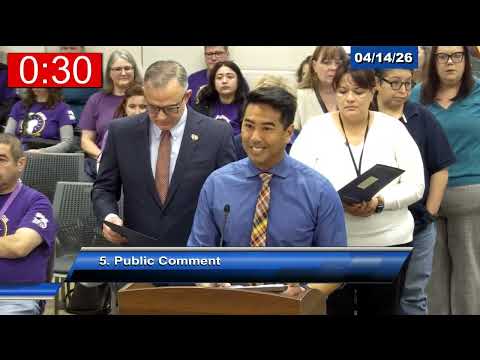
Public commenters raised concerns about traffic, environmental impacts and the CEQA exemption for formation; staff clarified that the CEQA exemption applies to forming the district and that each future project would undergo its own CEQA review. Mayor and city representatives said early-year revenues are expected to be modest and that larger financings would be possible only after entitlements and growth materialize.
The board asked staff to continue engagement and return with further analysis for unincorporated-area EIFD planning. The Public Financing Authority is scheduled to draft an infrastructure financing plan this spring, with public meetings and independent IFP votes by the agencies anticipated later this year.