Get Full Government Meeting Transcripts, Videos, & Alerts Forever!
Get email alerts on the Municipal Court topic
No spam. Unsubscribe anytime.
Aurora council to study plan to stop prosecuting most criminal cases in city court, citing $7 million savings
Summary
Councilmember Bergan proposed phasing out municipal prosecution of criminal cases (retaining traffic, zoning and animal cases), an approach staff called the 'Centennial model'; council agreed to discuss the proposal at the next quarterly workshop to examine fiscal, victim‑access and county‑capacity implications.
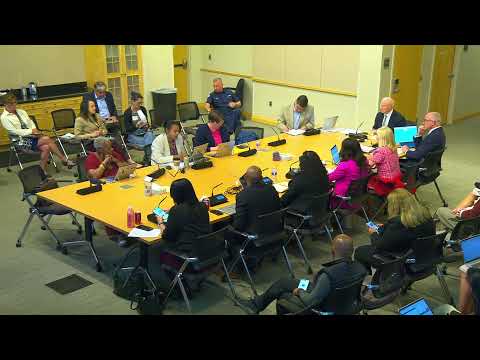
Aurora City Councilmembers on April 20 agreed to move a significant proposal to a workshop after a council member proposed phasing out prosecution of most municipal criminal cases and keeping only traffic, zoning and animal matters.
Councilmember Bergan framed the idea as a response to a Colorado Supreme Court ruling and subsequent statutory changes that limit municipal sentencing, and estimated the city could save roughly $7 million annually by transitioning to a Centennial‑model court that no longer prosecutes criminal misdemeanor cases. "If we don't have control over our penalties, then I think let's go ahead and just not prosecute those cases," Bergan said.
City staff and other councilmembers raised practical and equity concerns. City Prosecutor Pete (first name in transcript) explained phasing logistics and suggested a May 1, 2027 target for implementation to allow staffing adjustments and to address pending cases. Staff noted potential personnel reductions across prosecution, public defender support, probation and courtroom staffing as savings drivers.
Councilmembers asked about unintended consequences: whether victims would face greater barriers to attend court if cases moved to county courthouses, how counties would absorb new caseloads, and whether municipal-only violations (which lack state equivalents) would remain on the books or be converted to fine‑only infractions. Councilmember Horton pressed for mitigation measures for victims, including potential transit support.
Several members recommended moving the proposal to the next quarterly workshop for a deeper presentation from staff and input from county partners. Staff acknowledged the $7 million figure as a rough estimate and said savings would be realized primarily through personnel attrition and program reductions. The council agreed to place the topic on the next workshop agenda for detailed fiscal, operational and equity analysis rather than act during the study session.
No ordinance or final decision was made; the item will return for more detailed deliberation with county coordination and a staff presentation on impacts and implementation pathways.