Get Full Government Meeting Transcripts, Videos, & Alerts Forever!
Get email alerts on the Renewables And Grid topic
No spam. Unsubscribe anytime.
Energy secretary criticizes offshore wind, dismisses moratorium calls on data-center expansion
Summary
Secretary Chris Wright argued data centers and pipeline projects support regional growth and faulted proposals for a moratorium on data-center expansion; he criticized wind and solar as intermittent and said negative-price dynamics can hurt baseload plants such as nuclear.
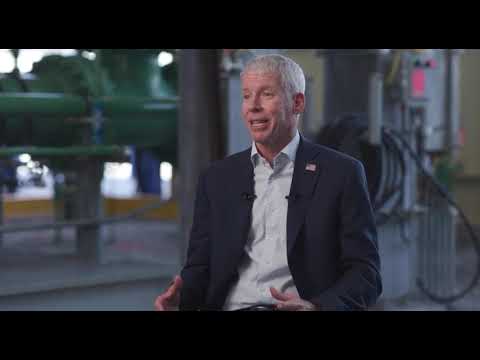
U.S. Energy Secretary Chris Wright told Power & Politics he opposes calls for a moratorium on data-center expansion and criticized offshore wind and other intermittent renewables as unreliable at peak demand.
Responding to a question about lawmakers calling for a pause on data-center growth, Wright said critics "just never do the math" and argued that states building data centers alongside new generation see steadier electricity prices than states with declining demand.
On offshore wind projects — including those halted on Long Island — Wright said the fundamental problem is intermittency. "When you need power is at that peak demand time ... the wind's not blowing," he said, arguing that wind and solar can depress wholesale prices at some hours ("negative prices") and that dynamic, he said, undermines baseload generators such as nuclear and coal.
Wright described intermittent resources as acting "more as parasites on the system" and urged that transmission and firm generation be part of the conversation about meeting rising demand from data centers and other users. He also claimed that even a major offshore build-out in New England would still leave most power needs met by other sources during peak periods.
The interview presented the secretary's view; the program did not include on-air responses from proponents of a moratorium, offshore-wind developers or independent grid analysts to challenge or contextualize Wright's technical claims.