Get Full Government Meeting Transcripts, Videos, & Alerts Forever!
Get email alerts on the Energy Project topic
No spam. Unsubscribe anytime.
District 99 outlines $14 million energy‑conservation plan, eyes May public hearing
Summary
Administrators presented a $14 million energy‑conservation package combining Honeywell‑managed upgrades and district capital work; plan would use 20‑year debt certificates paid from projected energy savings, solar revenue and about $200,000/year from operations. A third‑party audit is pending and a public hearing is planned for May.
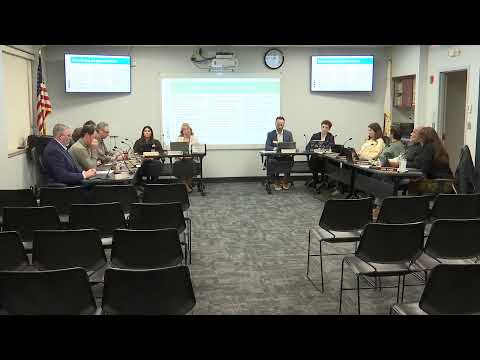
Administrators for Community High School District 99 presented a comprehensive energy‑conservation proposal that would pair Honeywell‑managed upgrades with district‑funded capital work and pay for the package with 20‑year debt certificates rather than a tax‑exempt lease.
Travis, a district presenter, said the scope separates Honeywell work (LED lighting, HVAC controls, water conservation, retro‑commissioning and solar generation) from District 99 capital projects such as four roof‑section replacements needed to host solar. He said, "we decided to not go that route and to go with the debt certificate," and that the package under discussion fits within a $14 million debt certificate cap.
The administration told the board projected annual savings are about $397,000; solar production revenue in the first full year is projected as a separate revenue stream and is forecast to grow roughly 4% annually. "Approximately $200,000 would come annually from the operating budget," a presenter said, noting the district plans to budget that amount each year. Presenters said payments would be structured so debt service is supported primarily by guaranteed savings and solar revenue.
Board members asked for the provenance of the solar revenue and production estimates. Jury (district finance/presenter) said Honeywell produced the projections and that Bow(man)/Balman Consulting (identified in the presentation) is performing independent verification required under the school code. "If the independent evaluation does not confirm the savings, we have no obligation to proceed," Jury told the board.
Administrators described performance guarantees: the Honeywell energy‑savings performance contract (ESPC) includes language that, according to the presentation, requires Honeywell to make up shortfalls if measured savings under annual audit do not meet contract projections. "We actually get — they cut us a check" for any difference if guaranteed savings are not achieved, a board member summarized after the presentation.
Presenters emphasized timing tied to federal incentives and rebates: meeting the targeted July 4 timetable would maximize available federal credits and rebates. The district reported one‑time grants and rebates of roughly $1.7 million included in the project economics and said some payback estimates rise because roof‑replacement costs are included in the solar figures; excluding roof replacements would lower the solar payback substantially.
Next steps: administration said Bowman/Balman Consulting is completing the third‑party audit; the district's counsel will review ESPC contract language to ensure compliance with Section 19 of the Illinois School Code and to protect district interests. The board was told the administration plans to bring the final contract and detailed financing terms to the board at the May meeting and to publish a public notice in the newspaper and on the district website for a public hearing (targeted for the May board meeting, with June as a fallback). No final board vote on the ESPC or financing occurred at this meeting.
Why it matters: school officials described these projects as a way to reduce long‑term energy costs, bring facility systems up to current standards and capture federal incentives. The board repeatedly stressed the importance of independent verification and contractual guarantees before committing public funds.
What comes next: Balanced next steps listed by administration include review of the third‑party audit, legal review of ESPC terms, public notice and a public hearing at the May or June meeting, followed by possible board consideration of final contract execution.