Get Full Government Meeting Transcripts, Videos, & Alerts Forever!
Get email alerts on the Tourism topic
No spam. Unsubscribe anytime.
Board agrees to pursue FIT 2.0 community-first impressions program with MSU Extension
Summary
The board approved participation in FIT 2.0, a QR-code based first-impression tourism program run by MSU Extension that collects anonymous visitor feedback via seven questions; staff said implementation cost should be under $500 and MSU will provide quarterly reports.
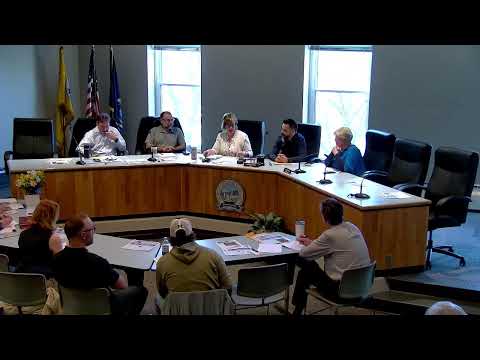
At its April 22 meeting, the Historic Lapeer Main Street Downtown Development Authority voted to pursue FIT 2.0, a streamlined first-impression tourism program operated by Michigan State University Extension that gathers visitor feedback using QR codes placed in downtown planters, storefronts and flyers.
Board member Catherine moved to participate and Board member Chris seconded the motion; one member voiced opposition before the motion passed. Staff described FIT 2.0 as a low-cost program (signs and flyers likely to be a few hundred dollars) that collects anonymous responses to seven questions tailored by MSU Extension. The city and DDA would be responsible for producing signage and placing QR codes; MSU Extension will host data collection, supply quarterly reports and deliver a wrap-up report after a year.
Staff said the questionnaire asks respondents for their generational cohort, first 5–10 minute impressions of the downtown, top reasons visitors come to Lapeer, ratings of destination attributes, specialty attractions that would bring someone back, what visitors would remember six months later and suggestions to improve the downtown experience. Board members noted that response volumes often drop in winter but that launching in warmer months could raise participation. The board directed staff to work with MSU Extension to generate QR codes and produce flyers and signage for a yearlong pilot.