Get Full Government Meeting Transcripts, Videos, & Alerts Forever!
Get email alerts on the City Budget topic
No spam. Unsubscribe anytime.
Troutdale budget committee weighs $84 million proposal, police ramp-up and $32 public safety fee
Summary
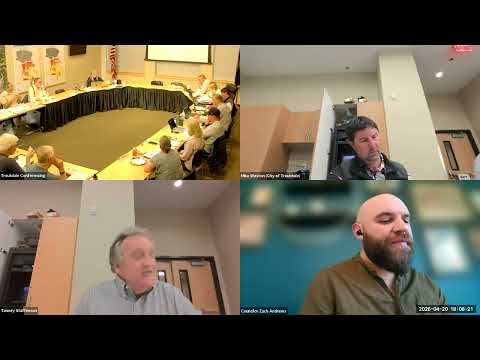
At an April 20 budget committee meeting, Troutdale staff presented an $84 million proposed 2026–27 budget that includes staffing to stand up a limited Troutdale Police Department and a proposed public safety fee increase to $32/month to help close a multi‑million-dollar shortfall.
Troutdale’s budget committee reviewed a proposed $84 million budget on April 20 that would add two full-time public-safety positions and raise a monthly public safety fee to shore up a growing structural gap in the general fund.
City staff said the proposed general fund adds 2.1 full-time equivalents — a police chief and a police lieutenant — to begin building a limited Troutdale Police Department and prepare policies and staffing ahead of an anticipated termination of the Multma County Sheriff’s Office (MCSO) law-enforcement IGA. The presentation also recommends returning the TPCC building to local control if negotiations with Multma County allow a transition of police and fire services back to the city.
Finance staff told the committee the budget assumes a $32/month public safety fee on the utility bill (up from $15) to partially offset policing and fire costs; staff estimated that increase would generate roughly $2.8 million. The message warned the city faces a projected beginning fund‑balance decline this year of roughly $2.0–$2.6 million and a carryover balance of about $4.7 million if no major course corrections occur.
“Proposes an increase in the public safety fee to $32 a month,” finance staff said during the presentation.
Staff outlined a set of proposed fiscal guard rails that would allocate property-tax revenue roughly 50% to police, 20% to fire and 30% to parks and administration to provide clearer boundaries for spending decisions. The committee was told that without such parameters, rising public‑safety costs could consume an increasing share of limited local revenues.
Committee members and members of the public questioned the distributional effects of the fee increase. Resident Gail Stevens summarized the arithmetic of the proposal and warned it would leave a remaining shortfall even if the fee were adopted. Business owner Pompeo asked why commercial properties appear to pay the same public safety fee as single-family households and suggested leasing or activating the Sam Cox building to produce revenue rather than spending on renovations.
Staff emphasized the timing uncertainties: management expects the MCSO law-enforcement IGA to end sometime within the fiscal year but could not give a precise month. The committee set follow-up meetings to dive into the general fund, police ramp-up and alternatives including a potential fire district, and asked staff for additional detail on cost assumptions and carryover forecasts.
The committee did not take formal votes on budget adoption; it scheduled additional budget sessions to continue deliberations.