Get Full Government Meeting Transcripts, Videos, & Alerts Forever!
Get email alerts on the Cdfa Outreach Latino Farmers topic
No spam. Unsubscribe anytime.
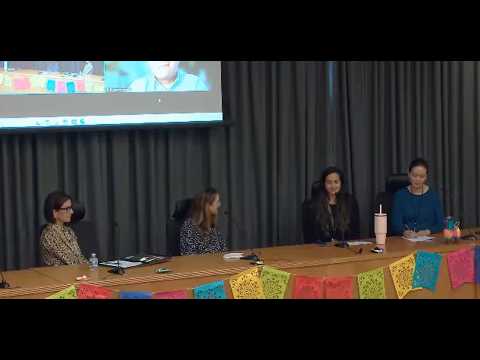
CDFA panel highlights Hispanic contributions to California agriculture and boosts Spanish‑language outreach
Summary
At a National Hispanic Heritage Month panel, CDFA staff shared personal histories, cited Census figures on Hispanic farm operators and workers, and described Spanish‑language outreach steps including Spanish news releases and QR‑code signups used at a Latino Farmer Conference.
SACRAMENTO — California Department of Food and Agriculture under secretary Christine Bertzong convened a National Hispanic Heritage Month panel in which department employees recounted personal heritage stories and described how CDFA is expanding Spanish‑language outreach to Latino growers and farmworkers.
Panelists cited Census‑based figures for California agriculture: about 14,791 Hispanic or Latino farm operators working roughly 2.75 million acres and an estimated 800,000 Hispanic farmworkers in the state. ‘‘We couldn't grow and produce what we do without them,’’ Leticia, DEI coordinator in CDFA's Office of Civil Rights, said when noting those figures.
The conversation moved from personal histories to concrete outreach efforts. Artio Armenta, an information officer in CDFA's Office of Public Affairs, said the agency has long issued Spanish news releases and maintains Spanish social‑media accounts to reach stakeholders. ‘‘Spanish is important for outreach,’’ Armenta said, noting Spanish‑language communications and Spanish releases as routine tools the department uses to connect with growers and workers.
Carla Bokan Sanchez, assistant director in the Division of Inspection Services, described a practical innovation the department used at a recent Latino Farmer Conference in Stockton: staff set up a Spanish‑language table and a QR code so growers could scan with a phone and immediately submit contact information, rather than relying on less accessible website forms. The QR approach increased the department's ability to follow up and deliver information to attendees, she said.
Panelists linked those outreach efforts to broader workforce and market figures discussed during the meeting. Armenta cited a panel‑reported sales figure of about $13.8 billion tied to Hispanic/Latino producers; the panel discussed the role younger producers and a diversity of Latin American origins play across California's roughly 400 commodities.
Panelists also discussed workplace inclusion and career pathways: several said they had at times felt pressure to assimilate but now use their roles to advocate for Latino producers and make CDFA more accessible to Spanish speakers. Steph Jamis, an environmental scientist in the Office of Agricultural Resilience and Sustainability, said reclaiming her language and culture has shaped her work and motivates her to ‘‘use whatever privilege I have’’ to support growers.
The event closed with audience questions and brief acknowledgments of the department's efforts to host interview panels and public meetings in Spanish when appropriate. No formal policy action or vote took place at the panel; it was framed as a celebratory and outreach‑focused discussion.