Get Full Government Meeting Transcripts, Videos, & Alerts Forever!
Get email alerts on the Audit topic
No spam. Unsubscribe anytime.
Auditor flags $913K fall in fund balance, procurement and reporting lapses in Palisades Park audit
Summary
BKCCPA auditor John Weiss told the board the FY2025 audit showed a $913,000 decline in fund balance, growing cafeteria receivables and repeat internal‑control findings — recommending corrective action plans and improved controls around vouchers, disclosure forms, pension enrollment and ESERT filings.
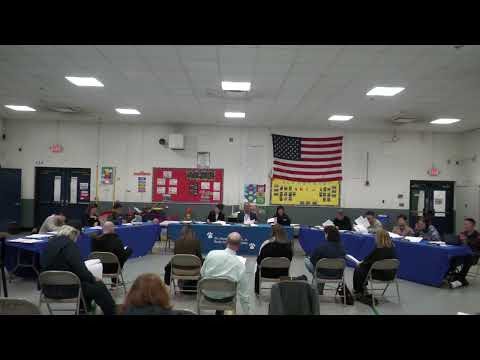
An auditor told the Palisades Park School District board that the FY2025 audit shows the district’s fund balance decreased by roughly $913,000 and identified multiple control and compliance weaknesses that require corrective action.
John Weiss of BKCCPA, the district’s auditors, summarized key revenue and expense movements and then listed the firm’s principal recommendations. “The purpose of my job tonight is to take these — the great big book that's in front of everybody — and boil it down to some financial highlights,” Weiss said.
Major audit findings and recommendations
• Fund balance decline and composition: Weiss reported the district’s fund balance fell by a little over $913,000 from the prior year. He explained that much of the district’s prior year financial picture reflected one‑time federal and grant resources that have since sun‑set.
• Real estate tax receivable timing: the auditor said the borough owed a June tax payment at June 30 (recorded as an accounts receivable of about $2.18 million). A July deposit of $2,211,956 was noted, leaving a small timing/overpayment difference that staff are reconciling.
• Procurement and documentation lapses: auditors found numerous vouchers for certain grants missing approval and receiving signatures and recommended that the district ensure approvals and receiving evidence are documented on payment forms.
• Contract disclosure and compliance filings: the audit found missing political‑contribution disclosure forms for non‑competitive contracts aggregating over $17,500; auditors also recommended the board designate someone to complete the ESERT filing required by state law.
• Pension enrollment and back payments: auditors said about 30 employees had not been timely enrolled in the state pension system; administrators estimate roughly $380,000 in pension charges will be billed while staff work with the system to finalize amounts.
• Food service receivables: auditors warned that cafeteria receivable balances have grown after universal free meals during COVID ended and urged stronger parent notification and collection procedures while noting children cannot be denied meals at point of service.
• Other reporting matters: auditors recommended timely presentation of the board secretary’s report, appropriate use of the uniform chart of accounts, appointment of a reconciler/treasurer for school monies, and proper treatment of refunds and capital vs. current expense items.
Corrective action and next steps
Weiss told the board the audit recommendations will require corrective action plans and said his firm will work with district staff on details. The board agreed corrective action plans are needed and the business office was asked to prepare them for board review.
The board read and approved the FY2025 audit as part of the meeting agenda. Administrators and auditors emphasized the audit contained some repeat findings and stressed that implementing the recommended controls will be a near‑term priority.