Get Full Government Meeting Transcripts, Videos, & Alerts Forever!
Get email alerts on the District Finance topic
No spam. Unsubscribe anytime.
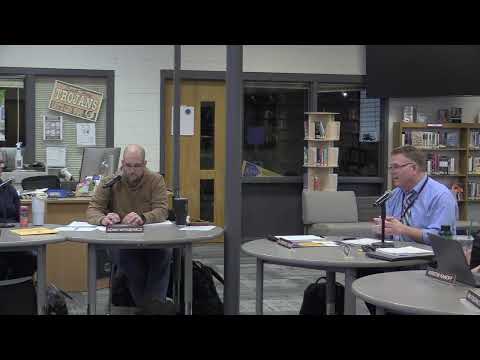
East Troy district outlines cash‑flow risks and approves March payments
Summary
The East Troy School District board approved March payments totaling $2.315 million and heard a business‑manager briefing showing a $10 million June 30 fund balance but constrained cash flow; PTMA modeling projects a $1.7 million buffer with a potential low point in January 2028.
The East Troy School District board on Monday approved March 2026 payments of $2,315,079.58 and receipts of $1,724,230.26 and received a detailed fund‑balance and cash‑flow briefing from the business manager.
The business manager told the board the district is roughly 59–60% through the fiscal year in spending and reminded members that the June 30 fund‑balance figure is a snapshot, not all cash. "Of that $10 million, I have to think a few months ahead of time," the business manager said, noting about $5 million is tax receivable not yet in the bank and approximately $300,000 is restricted for specific purposes.
Why it matters: the district relies heavily on tax levy timing and state aid; cash‑flow models provided by PTMA and Baird showed months with negative operating cash without short‑term borrowing. PTMA's two‑year projection includes a suggested buffer of about $1.7 million but shows a dip near January 2028 that the business manager described as a caution point, not an immediate crisis.
The board discussed tools for managing shortfalls, including short‑term notes and careful monthly monitoring. The business manager said short‑term borrowing can be arranged but emergency payroll gaps would require quick action, possibly a special board meeting and coordination with legal counsel.
The report included several specific finance figures: food‑service revenues through March were about $387,000 (roughly 10% higher than the previous year) with expenses of $389,000, reducing a prior March deficit from about $31,000 last year to roughly $2,400 this year. The board also reviewed bond‑investment reports from PTMA estimating about $799,000 in total interest once projects conclude, with $324,000 already booked.
Next steps: staff will continue monthly cash‑flow submissions to PTMA, the finance subcommittee will begin deeper review, and the board will consider short‑term borrowing only if projections warrant it.