Get Full Government Meeting Transcripts, Videos, & Alerts Forever!
Get email alerts on the Licensing Protest Elbar topic
No spam. Unsubscribe anytime.
Baltimore licensing board renews Elbar’s license after petition falls below required signers
Summary
The Board of Liquor License Commissioners renewed the license for Elbar at 737 Carol Street after lawyers argued a community protest lacked the required 10 valid signatories. Neighbors testified to recurring late‑night disturbances; the licensee offered earlier closing hours and other concessions, and the board urged both sides to negotiate.
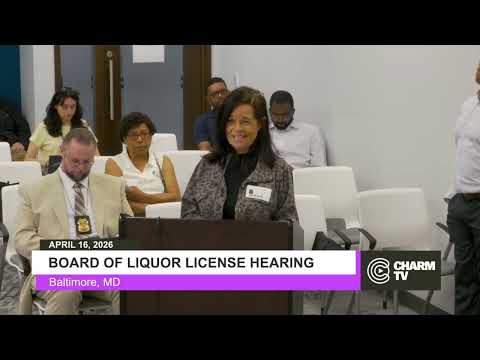
The Baltimore City Board of Liquor License Commissioners on April 16 renewed the annual license for Elbar, a neighborhood bar at 737 Carol Street, after hearing a protest driven by nearby residents.
The protest turned on a narrow procedural point: the local statute required at least 10 qualifying signatures to maintain a protest of a renewal. License counsel Stephen W. Fogman told the board that while the business acknowledged past problems, the petition had dropped from 10 to nine signers after one person submitted a letter saying she did not want to remain on the petition. Fogman moved to dismiss the protest on that basis and said his client was willing to accept operational restrictions to reduce neighborhood disturbance.
Residents pushed back at the hearing. Lillian Gonzalez, who identified herself as a property owner in the immediate neighborhood, told the board the problems were not isolated or short‑lived. "Beginning in approximately March of 2025 until approximately January of 2026, our neighborhood endured what can only be described as a sustained disruption to our ability to live peacefully and safely in our own homes," Gonzalez said, listing late‑night noise, intoxicated patrons, and incidents that she said were documented in photos and videos submitted to the board.
Other neighbors echoed Gonzalez’s account and said they had repeatedly contacted police and city services. Wesley Shaw, who said he lives a block away and has property in the area, urged the board to consider compromise options such as probationary operating conditions and better screening of staff to prevent repeat problems.
Counsel for the licensee said the establishment had taken corrective steps since a February violation hearing, had been closed while seeking new management, and offered several concessions at the hearing — including earlier closing times (11 p.m. weeknights and midnight on weekends) and a commitment to bar the former manager from the premises. Fogman told the board the owner was willing to accept restrictions "to make it a community bar."
After considering testimony and the petition’s status, board members concluded the protest did not meet the statutory threshold for denying renewal. The chair said the board had previously found violations in February and would continue to monitor the business; he urged neighbors and the licensee to negotiate and meet with board staff to resolve outstanding issues. The board’s formal ruling was that renewal was appropriate at this time.
The board did not impose new conditions at the hearing, but commissioners repeatedly encouraged the parties to pursue a mediated agreement and warned that continued violations could prompt a future enforcement action.
The board moved to the next matters on its docket after the ruling, and staff said they would assist in setting up follow‑up meetings between the community and the licensee.
What happens next: The license remains in force. Neighbors said they will continue to document problems and use the board’s complaint channels; the board said it will respond to additional verified complaints and review the license again if violations recur.