Get Full Government Meeting Transcripts, Videos, & Alerts Forever!
Get email alerts on the Substance Use Recovery topic
No spam. Unsubscribe anytime.
Sacred Heart prevention specialist outlines recovery services, announces seven-bed recovery house
Summary
A Sacred Heart prevention specialist identified local treatment and recovery supports available in Bay City — including free Narcan training, peer recovery coaching and a newly opened seven-bed, men-only recovery house — and urged commissioners to help spread awareness and connect residents to care.
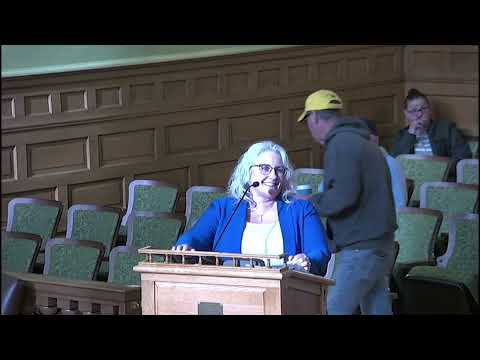
A prevention specialist from Sacred Heart told the Bay City commission on April 20 that Bay City has a broad continuum of recovery supports — prevention education, outpatient and inpatient treatment referrals, peer recovery coaches, and naloxone (Narcan) distribution and training — and highlighted a new seven-bed structured recovery house that is now accepting residents.
The presenter, identified in the meeting as Kimberly, said the house is intended to provide a structured living environment for people completing treatment and return-to-community support. ‘‘It is $20 a day,’’ she said, adding the program requires residents to be in treatment and participate in meetings and peer support. ‘‘It is to house seven men and help feed seven men,’’ an administrator said; the recovery house planned to fill the beds within the next several weeks.
Why it matters: Commissioners noted that quicker access to treatment and stable recovery housing can reduce public-safety and homelessness costs and improve long-term outcomes. The presenter described barriers such as transportation and variable grant funding and asked elected officials to ‘‘be that person’’ who connects constituents with resources.
Services and partnerships: The presenter named local partners and resources by function: school-based prevention programs (Rainbow Days; TAP youth initiatives), medical-assisted treatment, local inpatient/referral options (including Sacred Heart, regional hospitals, and recovery pathways), peer recovery coaching, and recovery meetings in multiple formats (NA, AA, Smart Recovery, online meetings). She emphasized that recovery housing requires residents to be enrolled in treatment and that community agencies can sometimes assist with short-term housing costs; the presenter and a Sacred Heart representative said opioid settlement funds remain in a city account and could be directed to eligible programs.
Commissioner and community feedback: Commissioners and at least one commissioner in recovery shared personal observations about treatment wait times, the importance of peer staff, and the stigma-reduction value of visible supports. Commissioner Renberg asked about oversight and the status of opioid settlement money; the presenter said those funds are currently held in an account managed in coordination with Public Safety and could be used within program parameters.
What happens next: Sacred Heart staff provided a direct contact number (989-894-2991) and asked commissioners to help publicize resources and reduce stigma. Commissioners expressed interest in studying the fiscal impacts of investing in recovery programs as part of the city’s broader budget and public-safety planning.