Get Full Government Meeting Transcripts, Videos, & Alerts Forever!
Get email alerts on the District Budget topic
No spam. Unsubscribe anytime.
Hamilton Central board adopts proposed 2026–27 budget, sets May 19 public vote
Summary
The Hamilton Central School District board voted April 21 to adopt a proposed $16,844,349 budget for 2026–27 — a 1.05% spending increase and a 2.26% allowable tax-levy increase — citing rising personnel and insurance costs and plans to preserve programs through attrition.
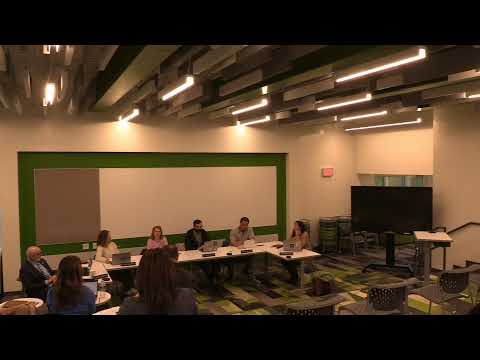
The Hamilton Central School District Board of Education voted April 21 to adopt a proposed $16,844,349 budget for the 2026–27 school year, the superintendent and business manager told trustees, and scheduled the public vote for May 19 from noon to 8 p.m. at the district bus garage.
Board members moved to adopt the spending plan, which the district said represents a 1.05% increase in overall spending and a 2.26% increase in the tax levy — the district’s allowable tax-cap increase for the year. The board recorded a voice approval to move the proposed budget forward for the community vote.
The administration told the board the budget is intended to avoid program cuts or layoffs. “This budget we’re very proud of — it’s not cutting any programs or any offerings, it’s not... nobody’s being laid off,” the presenter said during the meeting. The administration said it expects to absorb some staff changes through retirements and internal reassignments rather than new hires.
Officials cited three principal pressures driving the tax-levy request: increased personnel costs (notably a projected 7% rise in health-insurance premiums, described as roughly $225,000 in additional expense), rising utility and maintenance costs (utility costs were reported 23% higher through February than the prior year), and a planned reduction in the amount of reserves the district will use next year after drawing down federal relief funds in prior years.
Enrollment trends also factored into planning. Presenters said preK–12 enrollment has dipped below 512 and is likely to begin next year under 500 students. The district additionally reported an increase in the share of students receiving individualized education plans or accommodations (an estimated 33–35% of students), which raises staffing and service needs.
Board members and the public asked how the district would maintain existing course offerings with fewer positions. A community member asked why the district could not “have the same level of coverage with three less people.” Administrators and the business manager responded that the district expects to absorb three imminent vacancies through attrition, scheduling efficiencies and staff willingness to take on additional responsibilities, and that two of the three changes result from retirements and one from a graduating senior no longer needing one-to-one aide support.
The agenda item approving the budget included an explicit expenditure cap: trustees moved to adopt the proposed budget “not to exceed $16,844,349.” The board also approved the district’s 2026–27 property tax report card as recommended by the business manager and superintendent.
Next steps: the district will hold three additional budget presentations (informal sessions May 7 at 10:00 a.m. and May 11 at noon, and a formal budget hearing on May 12 at 6:00 p.m.), and the proposed budget will be presented to voters on May 19, when residents can accept or reject the budget under New York’s public vote process.