Get Full Government Meeting Transcripts, Videos, & Alerts Forever!
Get email alerts on the State Legislation topic
No spam. Unsubscribe anytime.
Los Ranchos lobbyist reports $3.9M in capital outlay secured and warns of GRT risks
Summary
Village lobbyist Kim Lianne told trustees the 2026 session returned mixed results: most bills signed, local control bills defeated this year, and $3.9 million in capital outlay secured — but ongoing GRT exemptions remain a significant revenue risk.
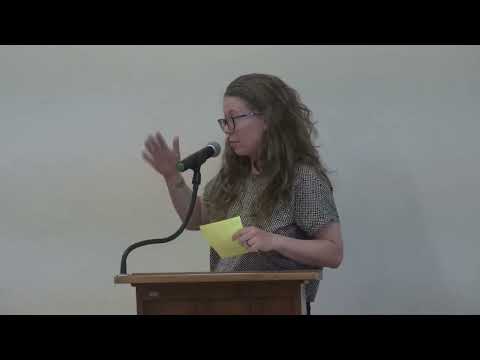
At the April 21 meeting, village lobbyist Kim Lianne gave trustees a post‑session briefing on the 2026 New Mexico Legislature, saying the 60‑day session produced 74 bills sent to the governor (71 signed, two vetoed, one pocket vetoed) and that the village achieved key priorities including defending local planning authority.
Kim said a notable success was defeating measures that would have limited local control over zoning and land use — proposals that trustees had worried would erode the village’s rural character and planning authority. She told the board the village also secured approximately $3.9 million in capital outlay funding for projects that include the Agri‑Nature Center, roadway improvements, the Veterans Memorial and Village Hall roof repairs.
Kim and Mayor Lawrence Rael cautioned that the village’s heavy reliance on gross receipts tax (GRT) revenue makes it vulnerable to state tax exemptions. She cited examples considered this session: Senate Bill 13 (a proposed GRT deduction for certain healthcare co‑insurance payments, estimated roughly $26 million statewide impact) and Senate Bill 182 (a proposed dyed‑diesel exemption, estimated roughly $50 million in local impacts). She said many smaller exemptions can cumulatively reduce local revenues — a “Swiss cheese” effect — and urged continued engagement through the Municipal League and meetings with legislators during the interim.
Trustees asked about transportation and water funding opportunities. Kim outlined new grant windows and appropriations in the state budget: approximately $100 million available for local transportation grants, $50 million for road safety and wildlife corridors, $10 million aimed at reducing traffic fatalities, and roughly $200 million in the Water Trust Board fund for local governments. Those funds and capital outlay allocations will become available after the new fiscal year begins July 1, Kim said.
Trustees directed staff to continue legislative outreach, watch reintroduced preemption efforts in the next 60‑day session, and pursue identified grant and capital outlay opportunities.
The update concluded with an invitation for trustees to participate in interim committee hearings and to coordinate with Municipal League lobbying efforts.