Get Full Government Meeting Transcripts, Videos, & Alerts Forever!
Get email alerts on the Edtech Policy topic
No spam. Unsubscribe anytime.
Parents, psychologists and a school psychologist urge pause and opt-out for district one-to-one devices
Summary
Three public commenters asked the board to pause rollout of new educational technologies, audit current edtech tools and create an opt-out process for one-to-one devices, citing developmental and instructional concerns.
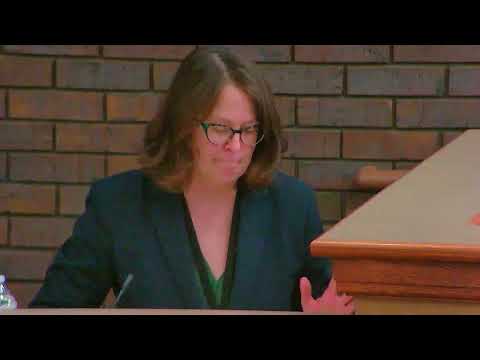
Three members of the public urged the Osseo Public School District board on April 21 to limit or pause districtwide one-to-one device policies and to adopt clearer opt-out processes.
April Lipkkey, who identified herself as a district resident, a parent of students at Basswood Elementary and a speech-language pathologist, asked the board to "pause introduction of new edtech tools and begin a technology audit of current edtech tools, especially YouTube," and to formalize an opt-out process for families. Lipkkey said she has observed that "overuse of screens is impacting children's ability to engage with other people and with experiences in the real world."
Jessica Lloyd, a parent and clinical psychologist, told the board she is reconsidering public school for her incoming kindergartener because of the district's edtech policies. Lloyd described clinical observations linking intensive screen use to executive-function and mental-health challenges and asked the district to "eliminate the one-to-one devices all around in the middle elementary and middle school grades" and to increase family engagement and alternatives.
Beth Soden, a parent and school psychologist, said she is not "anti-tech" but argued that a one-to-one device model can conflict with the district’s bell-to-bell no-personal-technology policy and can shift instructional time toward device management. Soden urged the board to regularly evaluate student-facing edtech tools "using clear data on student learning outcomes" and to offer an opt-out.
Board members thanked the speakers. The public comments were part of the audience opportunity segment; the board did not take immediate policy action at the meeting but Amy Moore, general counsel, later described planned policy changes to the student-survey and related procedures that include clearer opt-out communications.
The statements represent requests for policy changes and further study; no formal vote on edtech policy occurred that evening.