Get Full Government Meeting Transcripts, Videos, & Alerts Forever!
Get email alerts on the Drug Pricing topic
No spam. Unsubscribe anytime.
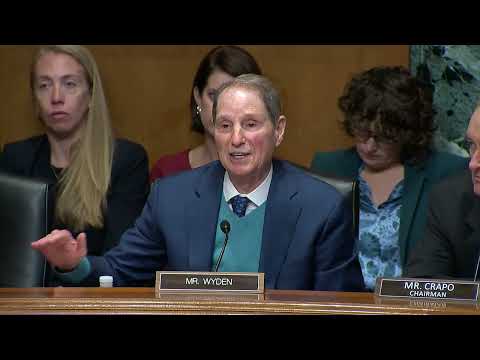
Sen. Wyden demands drug-pricing contracts; Secretary Kennedy refuses, cites trade secrets and IRA provisions
Summary
Sen. Wyden demanded Secretary Kennedy release written agreements with pharmaceutical companies, calling the deals secret and asking for disclosure tomorrow; Secretary Kennedy refused, saying the contracts contain proprietary information and that nondisclosure terms required by the Inflation Reduction Act are necessary to secure negotiations.
Sen. Wyden pressed Secretary Kennedy during a Senate hearing to disclose written agreements between HHS and pharmaceutical companies, calling the arrangements secret and saying the public has a right to see specifics.
"Will you commit to releasing your written agreements with pharmaceutical companies tomorrow?" Wyden asked in a yes-or-no question framed as reflecting committee interest. Secretary Kennedy replied, "No, I will not," and explained that the agreements "contain proprietary information and trade secrets." He cited provisions in the Inflation Reduction Act that, he said, require nondisclosure (NDAs) to ensure companies participate in negotiations.
Wyden criticized what he described as preferential treatment for industry, alleging the CEO of Pfizer met the president in the Oval Office and suggesting that some companies would be effectively exempt from pricing alignment. He framed disclosure as a transparency issue demanded by Democrats on the panel.
Kennedy defended the negotiation approach and argued that releasing proprietary details would discourage company participation. He also asserted that the administration's actions have produced substantial price reductions, saying in the hearing, "We have dropped by 83%" and claiming additional percentage declines for other measures.
The exchange centers on competing priorities: congressional oversight and public disclosure versus administration claims that confidentiality is necessary to secure discounts and lower prices. The transcript records demands for immediate disclosure and a categorical refusal by the secretary in this excerpt; it does not record release of documents or a formal committee vote.