Get Full Government Meeting Transcripts, Videos, & Alerts Forever!
Get email alerts on the Vaccine Policy topic
No spam. Unsubscribe anytime.
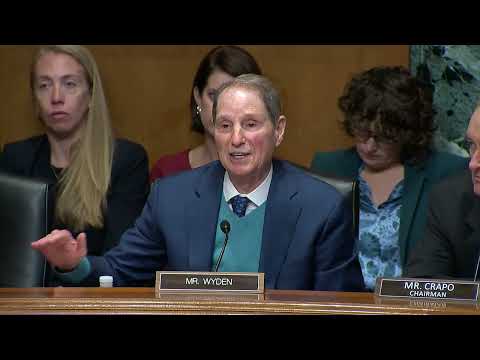
Sen. Wyden presses Secretary Kennedy on HHS move tied to hepatitis B newborn recommendation
Summary
At a Senate hearing, Sen. Wyden questioned Secretary Kennedy about reports that HHS appointees voted to end a universal recommendation for newborn hepatitis B vaccination, warning the change could put infants at risk amid rising measles cases; Kennedy defended his agencys response and said he aims to restore trust.
Sen. Wyden pressed Secretary Kennedy at a Senate hearing about allegations that hand-picked HHS appointees voted to end a universal recommendation that newborns receive the hepatitis B vaccine, saying the change puts infants at risk amid spreading measles outbreaks.
Wyden said public opinion strongly favors childhood vaccination, referencing a figure he said was provided to the White House that "87% of all voters support the childhood vaccine for measles and hepatitis B," and he argued the policy shift was so consequential "a court even blocked your new policy from taking effect." "Why would you be doing something that is so awful for kids on this vexing issue?" Wyden asked.
Secretary Kennedy pushed back, defending the agency's response to measles outbreaks. "Under my leadership, we handled the measles outbreak better than any country in the world," he said, citing comparative counts and asserting the United States had limited its outbreak more effectively than many other countries. He gave case counts in the hearing: "We have about 1700 cases this year," and "2200 last year," and said vaccination levels fell during COVID because "people stopped trusting the American government." Kennedy said his priority is to "restore that trust."
The exchange highlighted a factual dispute and procedural question about the HHS recommendation. Wyden framed the matter as a transparency and public-health concern; Kennedy described operational and trust challenges and emphasized U.S. comparisons and outreach to states and governors. Wyden also accused the administration of placing political pressure on HHS; Kennedy described outreach to governors and work with state partners.
The hearing record shows competing claims: Wyden said the agencys personnel voted to end the universal recommendation and that a court had blocked the policy; Kennedy characterized the situation as part of a broader effort to rebuild trust after COVID-era declines in vaccination. The transcript does not contain a formal, committee-level vote or a definitive, committee-adopted change to federal immunization schedules in this exchange.
The committee continued questioning on related topics; no formal action or committee vote on the vaccination recommendation was recorded in the provided transcript.