Get Full Government Meeting Transcripts, Videos, & Alerts Forever!
Get email alerts on the Selma To Montgomery Trail topic
No spam. Unsubscribe anytime.
Feasibility study maps safety, placemaking and economic improvements for Selma–Montgomery Historic Trail
Summary
Consultants presented a feasibility study and video proposing sidewalks, shared-use paths, traffic calming, commemorative features and design work for Montgomery’s portion of the Selma to Montgomery National Historic Trail; the study team said federal and state partners supported the effort and design funding is in place to advance engineering work.
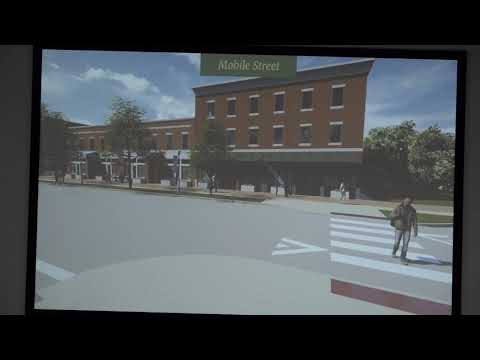
Consultants and city project staff presented a feasibility study and a short video summarizing recommendations to improve safety, access and economic opportunity along Montgomery’s portion of the Selma to Montgomery National Historic Trail.
The presentation described a vision that includes shared-use paths, improved crosswalks and pedestrian lighting, landscaping and traffic-calming measures (including roundabouts), and commemorative placemaking such as ‘‘witness tree circles’’ and interpretive kiosks. The team said these changes aim to improve access to sites such as City of St. Jude, Holt Street Baptist Church and the Rosa Parks home while supporting economic development in West Montgomery.
Jeric Lewis, a member of the engagement team, summarized what team members learned in community meetings: "I learned so much about the city of Montgomery," he said, emphasizing the project’s focus on local stories and community input. Project representatives said the study included dozens of community meetings, interviews and events and that the analysis highlighted disconnected sidewalks, unsafe crossings and speeding as persistent issues.
The presentation noted that design work has been advanced through grant awards and that the project team will pursue construction funding after completing design. The team asked the council to support continued collaboration with federal, state and private partners to move design and funding forward.
Next steps: the presenters said design work will continue and grant opportunities will be pursued to prime construction; the council applauded the community engagement and the study’s recommendations.