Get Full Government Meeting Transcripts, Videos, & Alerts Forever!
Get email alerts on the Student Supports topic
No spam. Unsubscribe anytime.
District highlights MTSS progress and restorative-practice rollout as staff answer questions about failing grades and AP offerings
Summary
Administrators credited MTSS interventions with reducing failing students (middle school 25to 11, high school 59 to 34) and described restorative-practice training for secondary teachers; trustees also discussed AP and college-credit course availability tied to enrollment.
District leaders told the board that targeted Multi-Tiered System of Supports (MTSS) interventions produced notable reductions in students failing core classes and outlined a broader rollout of restorative practices across grades 6through 12.
"In the middle school at the progress report we had 25 students failing. At the end of the quarter, we had 11," the Dean of Students said, citing a 56% reduction; the presenter also reported a 42% reduction at the high school (59 to 34). The presenter said those results reflect personalized interventions such as travel sheets, in-school academic plans and regular MTSS team reviews.
Administrators described restorative practices presented to secondary faculty: structured-day supports, timeout/reflection rooms, "tagout/timeout" approaches and accountability projects intended as alternatives to suspension in many instances. They said serious infractions (weapons, criminal behavior) still invoke the code of conduct and formal protocols.
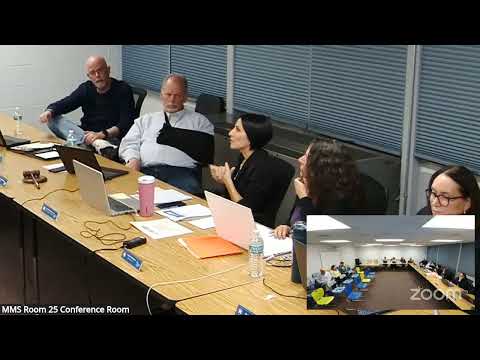
Trustees and attendees pressed for operational details: whether restorative measures apply only to teachers or also to support staff (presenters said teachers lead 6through 12 implementation), how and when parents are notified of failing grades (SchoolTool running averages are available to students and parents), and how short-term subs are categorized. The district committed to provide anonymized, disaggregated failure-rate data by quarter and grade.
On advanced coursework, staff said AP offerings change with enrollment and that some students opt for college-credit-bearing courses (Duchess County and partner colleges) instead of AP exams; counselors guide students during scheduling and electives fairs. Administrators noted an informal rule of thumb that courses with fewer than eight students are flagged for board review, though official policy was described as the review trigger.
Next steps: the board requested a future informational presentation distinguishing AP courses from college-credit options and asked administrators to bring more detailed enrollment and failure-breakdown data at a later meeting.