Get Full Government Meeting Transcripts, Videos, & Alerts Forever!
Get email alerts on the Budget topic
No spam. Unsubscribe anytime.
Millbrook board presents $37.99 million budget that stays within tax cap, warns of deeper cuts if voters reject plan
Summary
Administrators proposed a $37,992,751 budget for 2026–27 that complies with the statemaximum allowable tax cap, detailed $835,000 in staffing/program savings and a $164,152 fund-balance appropriation to close the gap, and cautioned voters that failure would trigger an extra $1.5million-plus in contingency cuts.
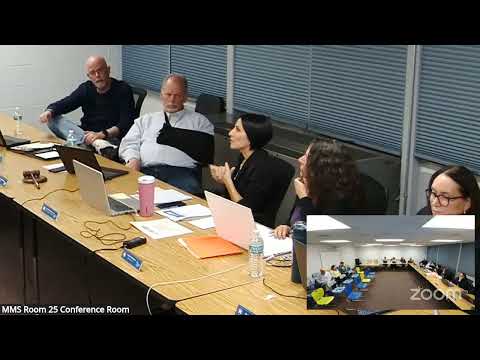
Administrators on the Millbrook Central School District board presented a proposed $37,992,751 budget for the 2026-27 school year and said it complies with the statemaximum allowable tax cap while still requiring program and staffing reductions.
Superintendent said the district began the budget process months ago and that recent uncertainty in the state budget left officials revising projections repeatedly. "If the budget vote does not pass and the board opts to go to a contingency budget, we have to reduce our expenses to meet that tax levy," the Superintendent said, warning that would require roughly $1.5million to $1.9million in additional cuts beyond those already proposed.
Why it matters: the board presented a budget-to-budget increase of $2,343,100 (6.57%) and a tax-levy increase of 7.02% to a proposed levy of $29,733,237, figures administrators said are within the maximum allowable cap. The district said it identified about $835,000 in projected savings from staffing and program reductions and will supplement the remaining $164,152 with a one-time fund-balance appropriation.
Key details: administrators listed planned personnel impacts that include reductions in monitors, teacher aide positions, two teaching positions and some non-unit staff; they said the plan also trims districtwide professional development and reduces summer-scholars program length while preserving core extracurricular offerings where possible. Mr. Garcia and finance staff explained an interfund transfer connected to the capital project and noted revenue offsets, including increased facilities-use revenue and chargebacks for college-credit-bearing courses that will partially offset staffing pressures.
Officials highlighted cost drivers that limit local flexibility: nearly $500,000 in health-insurance increases and more than $600,000 in additional special-education costs year over year. The finance team also reviewed historical levy choices and estimated the districthas left prior-year levy capacity totaling $840,692 (compounded to nearly $995,930), a long-term drag on local raising capacity.
Public reaction: multiple parents and local advocates praised administratorsfor preserving programs and urged more state-level aid or tax-cap adjustments. Emma Miller, a PTO member and parent, asked whether there is a long-term plan to close the levy gap without piercing the cap; the Superintendent and trustees described ongoing advocacy work with the Lower Hudson Education Coalition and state lawmakers and said the district is pursuing revenue-generation ideas and lobbying for formula changes.
Next steps: the board may adopt this proposed budget for presentation to voters; administrators repeatedly urged district residents to vote on May 19 and said a failure of the measure would force steeper cuts under a legally required contingency budget.
Closing: the board approved routine financial motions and several resolutions related to advocacy; the budget presentation is the districtproposal that will be subject to the public vote on the announced date.