Get Full Government Meeting Transcripts, Videos, & Alerts Forever!
Get email alerts on the Waste Management topic
No spam. Unsubscribe anytime.
North St. Paul staff say citywide cleanup has outgrown public works yard; council asks for curbside cost study
Summary
After the citywide cleanup drew about 313 vehicles and record amounts of waste, public works staff told the council the public works yard is no longer safe or logistically practical for a single-day event; staff will study curbside bulk pickup, fees and other alternatives and return cost estimates.
North St. Paul — City public works staff told the City Council at a June 3 workshop that the annual citywide cleanup has grown to the point that running it from the public works yard creates safety risks, long wait times and equipment wear, and asked the council to authorize further study of curbside and other alternatives.
The presentation said the May cleanup saw about 313 vehicles — up from 284 the previous year — and staff reported 6,951 pounds of electronic waste, 160 tires, 136 mattresses and about 20 large trash loads using 30-yard dumpsters. Staff said appliance totals are pending the hauler’s report but estimated roughly 120–130 appliances.
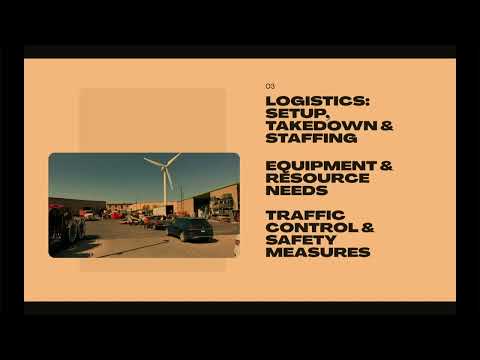
“The yard is so tight — people pull in with big trailers and then there’s an appliance in the middle of the load — and we’re moving refrigerators with a skid steer in the same area where people are walking,” public works staff said during the workshop. The presentation described a mix of forklifts, backhoes and skid steers working in a compact space and said staff were still clearing the line well into the afternoon after the event ended.
Why it matters: Staff and council members said the combination of increased participation and limited yard space produced waits of two to two-and-a-half hours for some residents, raised safety concerns for employees and volunteers, and caused wear to equipment and the parking lot. Those factors prompted suggestions to change the event format or add restrictions.
Options discussed included: limiting or banning large cube trucks and oversized trailers at the on-site event; sending electronics to county drop-off centers rather than accepting them at the yard; holding separate, targeted mattress or electronics events; charging a participant fee for large loads or certain items; running a second cleanup day in the fall; or replacing the one-day event with a one-week opt-in curbside bulk pickup scheduled on residents’ regular trash day.
Staff noted a SCORE grant currently covers dumpsters, haulers and contracted hauler staff for the on-site event but does not cover city staff overtime. “The grant pays for our cleanup haulers,” staff said, “but not our overtime.” Staff also said the contracted hauler had raised safety concerns but had not refused future service; staff will review contract language and follow up with the contractor.
Council members asked staff to obtain quotes for a curbside bulk pickup week (including possible partial subsidies), firm pricing from vendors for curbside appliance pickup, and estimates of the on-site event’s true cost once equipment wear and city staff time are included. Staff said they would return with a comparative analysis and recommended Plan A/Plan B options.
At the workshop’s close, staff summarized two main paths: keep the on-site event with tighter rules (limits on specific items and vehicle types, targeted separate events for mattresses/electronics, or participant fees) or pursue a curbside bulk pickup option and present costs and implementation details for both. The council requested the additional cost and operational information before deciding on any permanent change to the program.
No formal policy change or vote to end the event was taken at the workshop; staff were directed to research options and report back to council with pricing and implementation plans.