Get Full Government Meeting Transcripts, Videos, & Alerts Forever!
Get email alerts on the Homelessness topic
No spam. Unsubscribe anytime.
Conestoga Valley social workers report 160 students identified as homeless; describe outreach and community partnerships
Summary
At an April 20 board meeting, district social workers described rising service needs and said 160 students were identified under McKinney‑Vento this year, outlined how families are being supported, and highlighted coordination with community partners and emergency resources.
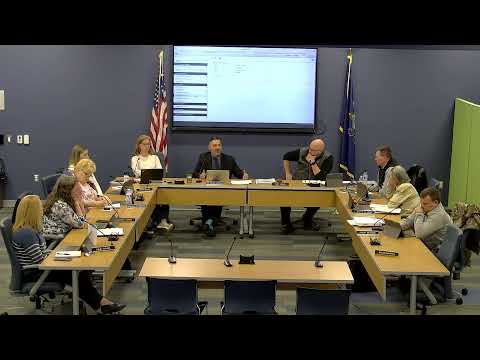
Three Conestoga Valley school social workers told the board on April 20 that the district is supporting families facing housing instability and increasing referrals for mental-health and case-management services.
"I am the elementary school social worker," said Katie Refe as she and colleagues outlined daily roles that include attendance interventions, family case management and acting as homeless‑liaison staff. They said district teams also participate on threat assessment and restorative practices plans and work with community partners to meet immediate needs.
The presenters said the district identified 160 students as McKinney‑Vento eligible this school year. Of those they reported, 101 were doubled up with other households, 41 were staying in hotels, 16 were in shelters or transitional programs and two were listed as unsheltered; the presenters clarified the two unsheltered students were living in a camper with plumbing and utilities and were being supported with services.
The social workers described day‑to‑day work that ranges from conducting home visits and arranging transportation to completing complex intake forms for outside providers. They recounted helping a family complete an 81‑question biopsychosocial intake by connecting to Wi‑Fi and finishing the paperwork in the family’s kitchen.
They credited local nonprofits and community groups for on‑the‑spot support: CV Ministerium reportedly provided more than $2,500 this year for immediate needs such as transportation and supplies; Power Pack Project and Seeds were highlighted as regular partners that supply food and assist families. Refe also noted an Instagram page the team uses to share resources and outreach information for parents.
The social workers described capacity limits in some services: middle‑school therapy slots are full, and the district’s advocate position at Seeds is reportedly booked to May. They said partial hospitalization referrals and higher‑intensity mental‑health placements have increased, creating pressure on case‑management resources.
Board members asked whether families sometimes do not enroll or send children to school. The presenters said agency notifications trigger follow‑up home visits and that multi‑district hotel locations can complicate determining which district serves a child; when the district discovers children who are unsheltered, they said ministerium funds can be used immediately to provide hotel shelter while connections to services are arranged.
The social‑work team closed by noting holiday and targeted assistance statistics: a recent holiday effort served 307 children in 143 families and aimed to provide deeper assistance (grocery gift cards) to the families identified as most in need.
The board thanked the presenters; no formal action was taken on the presentation. The district’s staff encouraged directors to contact the social‑work team with follow‑up questions and noted continued coordination with community agencies.