Get Full Government Meeting Transcripts, Videos, & Alerts Forever!
Get email alerts on the Appointments Confirmations topic
No spam. Unsubscribe anytime.
Senate returns dozens of withdrawn appointments to committee after heated floor fights over confirmations
Summary
The Minnesota Senate voted across a series of motions to send multiple governor-appointed nominees back to originating committees under Rule 8.2, prompting extended partisan debate about the body's advice-and-consent role and allegations of agency failings; several motions passed by narrow margins.
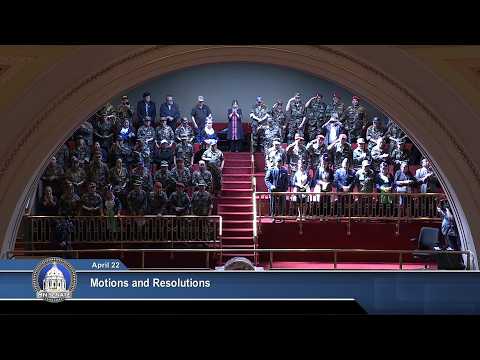
The Minnesota Senate on April 22 adopted a sequence of motions returning numerous gubernatorial appointments to their originating committees, a procedural step supporters said followed Senate Rule 8.2 and opponents said would bury nominees without full floor confirmation.
Sen. Robby Putnam (Chair) initiated the series of motions when he moved to return appointments withdrawn from the Committee on Agriculture, Veterans, Broadband and Rural Development to the committee; the motion passed 34-33 after extended debate, with the clerk recording 34 yeas and 33 nays. Other senators made similar motions across committees including Education, Environment, Health and Human Services, Higher Education, Housing, Jobs and Economic Development and Judiciary; several motions passed by similarly narrow margins.
Why it matters: returning withdrawn appointments to committee under Rule 8.2 removes the nominations from the confirmation calendar and places them back with the committee that originally considered them. Critics in the minority argued that repeated referrals deny the Senate's constitutional advice-and-consent responsibility and effectively block public floor consideration. Supporters said the committee process is appropriate for vetting nominees and that some committees plan to hold hearings.
Floor exchanges were sharp and frequently partisan. Sen. Jeremy Kreun urged the Senate to demand accountability for certain appointees, singling out Department of Corrections Commissioner Paul Schnell and citing a no-confidence vote from the Minnesota Sheriffs Association. "This commissioner has served in this role for about eight years without Senate confirmation," Kreun said on the floor. Sen. Anna Holmstrom told colleagues she was troubled by alleged fraud in childcare payments and said a nominee associated with oversight of that program required scrutiny. "We are making payments from the state to empty buildings," Holmstrom said, arguing those concerns should make confirmation hearings a priority.
Democratic leaders defended the use of committee review. Sen. Jeff Hawj, sponsor of the motion returning environment-related nominees, said the relevant committee intends to hold hearings: "I will hold hearings," he told the chamber when asked about scheduling. Sen. Clare Wiklund said her committee had held a hearing on the Health Commissioner nomination and that returning nominations to committee reflected established Senate procedure and timing constraints.
What happened procedurally: each motion was followed by debate and a roll-call vote. Examples recorded in the floor transcript include the Putnam motion (adopted 34 yeas, 33 nays), the Cwodzinski motion on education appointments (adopted 34-33), the Hawj motion on environment appointments (adopted 34-33), and others with similar tallies; Sen. Boldon's motion for housing-related appointments passed 35-32.
Next steps: The affected nominations were returned to the indicated committees, where chairs can schedule hearings and votes. Some sponsors said hearings will be scheduled "depending on business on the floor," while critics said the practical effect will often be to delay or prevent final confirmation before the legislative session ends.
The debate produced several pointed allegations and responses recorded on the floor; none resulted in immediate formal findings. The Senate then moved on to other business, including passage of several bills later in the day.