Get Full Government Meeting Transcripts, Videos, & Alerts Forever!
Get email alerts on the Ethics Training topic
No spam. Unsubscribe anytime.
Ethics trainer urges Roselle Park board to file disclosures, avoid conflicts and curb social‑media missteps
Summary
An outside trainer reviewed the School Ethics Act with the Roselle Park Board, stressing required disclosure filings by April 30, the difference between recusal and abstention, examples of past sanctions, and cautious social‑media use by board members.
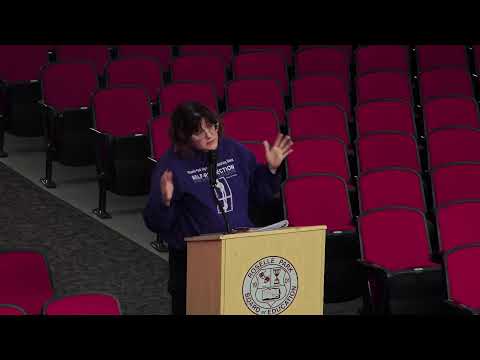
Miss Clearary, the ethics trainer, opened the board's annual review of the School Ethics Act and told members the presentation was "meant for informational purposes and cannot be seen as legal advice," adding that the board attorney is the best source for case‑specific guidance.
The training summarized mandatory financial and personal relative disclosure statements — initial filings within 30 days of taking office and annual filings by April 30 — and explained the School Ethics Commission's role in investigating complaints and recommending penalties to the commissioner. Miss Clearary warned of an "uptick" in late or inaccurate filings and urged members to be timely and accurate.
She walked the board through the A–J code of ethics provisions: upholding laws and court orders, prioritizing student welfare, confining board action to policy/planning/appraisal (not administration), preserving executive‑session confidentiality, and relying on the superintendent's personnel recommendations. She explained the difference between recusal (formal removal from discussion/vote when a reasonable person could perceive a conflict) and abstention (e.g., not voting on minutes when absent).
The presentation cited recent case examples where breaches of confidentiality, using board email inappropriately, or approving payments tied to a board member's personal connections led to recommended sanctions ranging from reprimands and censures to suspension or removal. Miss Clearary emphasized that advice of counsel is not a complete defense to an ethics charge, though it can be a mitigating factor if full disclosure and compliance with counsel's guidance are documented.
Trainer guidance included practical steps: consult board counsel before actions that may create conflicts, use the School Ethics Commission's advisory opinions library, consider disclaimers when posting about board matters on social media, and avoid identifying oneself as a board member in personal profiles. She left handouts and sign‑off sheets for the board secretary and made herself available for follow up.
Why it matters: accurate disclosures, clear recusal practices and careful public statements protect the district's integrity and limit legal or reputational risk. The training reminded members that the ethics framework exists to preserve public trust and that enforcement can lead to public sanctions.