Get Full Government Meeting Transcripts, Videos, & Alerts Forever!
Get email alerts on the Facilities Master Plan topic
No spam. Unsubscribe anytime.
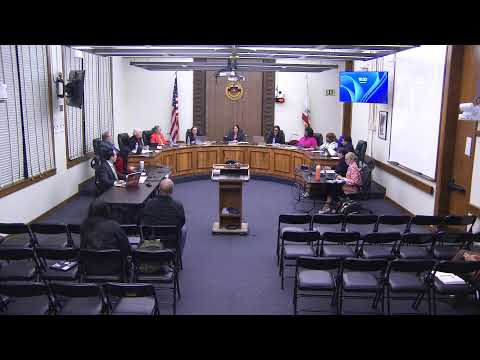
Pasadena Unified board approves San Rafael rebuild after heated debate over timing, capacity and costs
Summary
After extended public comment and trustee debate about consolidation and bond allocations, the Pasadena Unified School District board approved a full rebuild of San Rafael Elementary, rejecting a motion to table the project while trustees discussed capacity and the impact of delays on cost and other bond projects.
The Pasadena Unified School District board voted to approve a full rebuild of San Rafael Elementary after more than an hour of debate about timing, capacity and the project’s impact on the district’s five-year bond plan.
Superintendent Dr. Blanco summarized the district’s funding outlook and timeline, saying the district has Measure O and Measure R funds programmed for the five‑year plan and is pursuing state matching dollars where available. Board members questioned how the rebuild’s scope would be set and whether capacity should be increased beyond the design’s ~500-student baseline.
“San Rafael is a school that has been waiting for infrastructure investments for years,” said a board member during the discussion, arguing the site needs immediate work to address electrical, plumbing and HVAC deficiencies. Opponents of immediate approval warned that pausing the project until consolidation decisions are final would provide clarity about long-term capacity needs and avoid committing scarce Measure R dollars prematurely.
Trustee Kenny moved to table the item until the consolidation advisory committee’s recommendations are decided; the motion failed. After further discussion about cost escalation and the cascading schedule effects that a delay would create for other bond projects, the board approved the rebuild. The motion passed after roll‑call procedures concluded; abstentions and individual votes were recorded during the meeting for other items, and the board president announced the motion passed.
Facilities staff said increasing capacity (for example, to roughly 600 seats) remains feasible during design and that any change in planned student capacity should be brought back through the facilities committee for a formal adjustment before final design documents are locked. Construction scheduling discussed at the meeting assumed an off‑campus swing space for the school during work; staff said delays would likely push the project by a year and increase costs through normal escalation.
The meeting followed an extended public comment period in which parents, teachers and students asked trustees to consider how consolidation and layoffs would affect San Rafael and other schools. The board directed staff to continue coordination with the facilities master‑plan architect and to return with any recommended capacity adjustments as an action item through the facilities committee.