Get Full Government Meeting Transcripts, Videos, & Alerts Forever!
Get email alerts on the Executive Session Litigation topic
No spam. Unsubscribe anytime.
Planning board moves into executive session to discuss pending litigation; meeting to adjourn from closed session
Summary
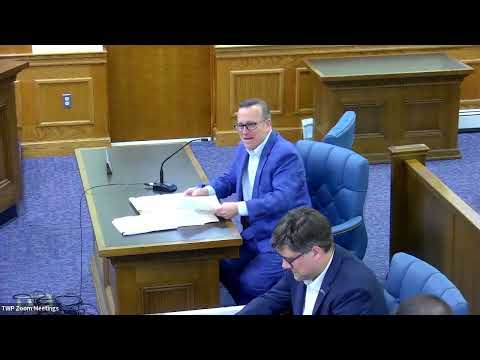
At its April 20 meeting the Morris Township Planning Board voted to enter executive session under section 12B7 of the Open Public Meetings Act to discuss pending litigation (Safe Catch Road v Morris Township Planning Board et al, docket Morris Law 2279-25) and announced it will adjourn from the closed session without returning to open session.
The Morris Township Planning Board voted on April 20 to enter an executive session under section 12B7 of the Open Public Meetings Act to discuss pending litigation described in the resolution as "Safe Catch Road v Morris Township Planning Board et al, docket number Morris Law 2279-25." Joseph Alleso moved to go into executive session on the basis provided by counsel and the board held a roll call vote to approve the move to closed session.
Counsel read the resolution specifying that the board would invoke the statutory exception for pending litigation and that "the minutes and information discussed at the time of the executive session will be released to the public" when confidentiality is no longer required. The chair notified Zoom attendees that the meeting would adjourn from the closed session and that no further business would be conducted after the executive session.
The board did not return to public session; the transcript records administrative steps for stopping the public recording and closing the room before the executive session. No substantive discussion of the litigation occurred on the public record at this meeting; the transcript identifies the case name and docket number as the reason for the closed session.