Get Full Government Meeting Transcripts, Videos, & Alerts Forever!
Get email alerts on the Local Governance topic
No spam. Unsubscribe anytime.
Greendale trustees defer decision on how to fill vacant seat after lengthy debate
Summary
Trustees debated three options for filling the vacancy left by Matt Sell—appoint from four known candidates, open a standardized application, or hold a special election paired with regular ballots. The board voted to table the decision until the next meeting so absent trustees can weigh in.
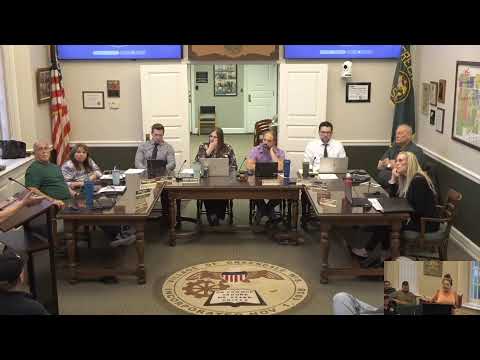
The Village of Greendale board debated for more than two hours whether to appoint a replacement, open an application process, or hold a special election to fill the trustee seat vacated by Matt Sell.
Trustee Ron Barbian argued for selecting from four candidates who have already expressed interest, saying those applicants have long records of involvement in Greendale. "We've had four quality people that have expressed an interest in it," Barbian said during debate, and he recommended the president evaluate those applicants and return with a recommendation.
Trustee Elaine Unger said the board should open a standardized online interest form to be fair to residents and to gather comparable information. Unger noted that the board had publicly announced an application process and placed notice in the Village newsletter. "Using a standardized form would be easier for our staff to put it together and say, 'Okay, this is the education of this person,'" Unger said.
Board members also discussed holding a special election timed with the August partisan primary and the November general election. Manager Haas and Attorney Martel explained logistics and costs: a primary on Aug. 11 and a final election Nov. 3 are possible if nomination paperwork closes by June 1; estimated incremental costs if paired with existing elections were roughly $1,000–$2,500, while a stand‑alone special election could cost about $10,000.
Several trustees emphasized fairness to voters; others objected to additional cost and staff time. Trustee Lett said, "I think it's more fair for the people to vote than us to vote," while others raised concerns about having to evaluate many applicants and the strain on staff.
After competing motions, the board voted to table the question until the next meeting to allow absent trustees to participate and to seek any remaining legal or procedural clarifications. No formal appointment or election timeline was set; the president was asked to gather any outstanding questions for legal staff and return with information at the next meeting.
The outcome: the board deferred a final choice and will revisit the process at the next scheduled meeting.