Get Full Government Meeting Transcripts, Videos, & Alerts Forever!
Police response subcommittee proposes clearer GPS alert protocol, urges statutory fixes for jurisdictional confusion
Summary
The council's police response subcommittee presented a three‑page replacement for the model policy's GPS alert notification section to clarify officer response and vendor liaison steps, and recommended statutory clarifications to resolve jurisdictional ambiguity for communication‑based domestic‑violence offenses.
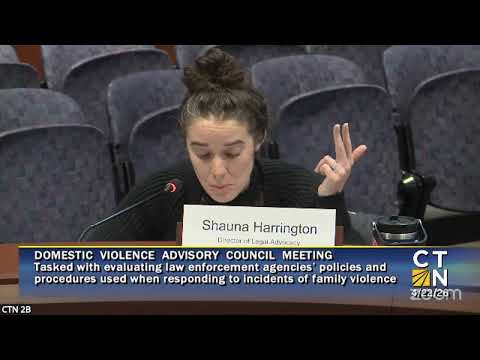
A subcommittee of the Connecticut Domestic Violence Council on April 22 urged the council to adopt a revised, three‑page section for the model policy that explains how the domestic‑violence alert notification GPS program works and how police should respond when an alert is triggered.
Chief Alaric Fox of the Enfield Police Department, co‑chair of the police response subcommittee, walked members through the draft, saying it distinguishes GPS monitoring for protective orders from probation or parole systems and defines buffer, exclusionary and mobile zones, alert triggers, officer dispatch steps and how law‑enforcement liaisons obtain offender location points from GPS vendors. "This is three pages well spent," Fox said, arguing the detail will reduce confusion for patrol officers.
The draft also corrects an editorial issue that could change the duty of officers;…
Already have an account? Log in
Subscribe to keep reading
Unlock the rest of this article — and every article on Citizen Portal.
- Unlimited articles
- AI-powered breakdowns of topics, speakers, decisions, and budgets
- Instant alerts when your location has a new meeting
- Follow topics and more locations
- 1,000 AI Insights / month, plus AI Chat