Get Full Government Meeting Transcripts, Videos, & Alerts Forever!
Get email alerts on the Geothermal Permitting topic
No spam. Unsubscribe anytime.
Arizona lawmaker opposes HEATS Act, urges permitting reforms for geothermal development
Summary
A representative from Arizona told the House that while she supports geothermal energy, she opposes H.R. 5587 (the HEATS Act), saying the bill would waive federal environmental reviews and leave surface landowners and communities without adequate protections; she promoted an alternative package including her "Geothermal Gold Book Development Act."
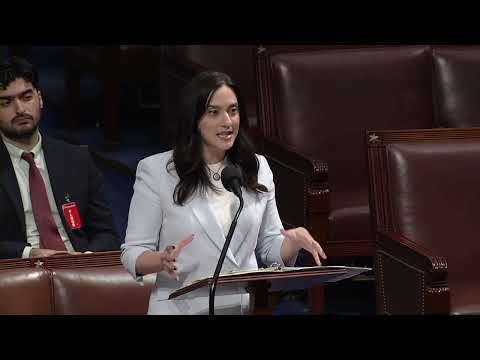
A representative from Arizona spoke on the House floor to oppose H.R. 5587, known as the HEATS Act, saying the measure would improperly waive federal reviews that protect landowners, wildlife and historic sites while offering too little in safeguards.
"I have to oppose H.R. 5587," the representative said, adding that she is "a strong supporter of geothermal energy" but called the bill "an irresponsible waiver of the federal government's obligation to steward our federal resources." She described geothermal as "a clean, reliable, affordable and abundant form of electricity" and urged lawmakers to pursue permitting reforms that do not sidestep federal environmental laws.
The speaker summarized the bill's central provision as allowing projects that begin on private or state land and later drill beneath federal subsurface to avoid a federal drilling permit so long as less than 50% of the subsurface area involved is federally owned. She said the bill would exempt such projects from the National Environmental Policy Act, the Endangered Species Act and the National Historic Preservation Act where a state has only a vague law "that addresses the preservation of historic properties." The representative warned that relying on a patchwork of state laws could leave federally required consultation and protections unfulfilled.
She also warned about the practical consequences for surface landowners. The representative said that where the federal government owns mineral rights and private parties own surface rights — for example, ranchers and farmers — underground development could occur without the surface owner knowing. She argued the federal permitting process is a vehicle landowners use to work with developers to ensure that surface resources, like groundwater for wells or springs, are protected.
Noting technical aspects of geothermal development, the representative said geothermal wells can extend horizontally for kilometers. While she characterized geothermal as significantly safer than oil and gas development, she said that safety does not justify skipping environmental review and public input.
As an alternative, she described her Geothermal Gold Book Development Act as part of a six-bill package (three Democratic, three Republican) advanced from the Natural Resources Committee by unanimous consent. Those bills, she said, aim to make permitting easier through increased coordination at Bureau of Land Management field offices, cost-recovery authority and categorical exclusions for previously disturbed lands — measures she characterized as "common sense" steps that would move projects forward without broadly waiving environmental laws.
The representative criticized efforts to waive federal review obligations on the basis of limited BLM staffing, arguing that staffing shortages stem from budget choices and staff reductions and that the correct response is to address resourcing rather than waive statutory protections. She said she was willing to continue working across the aisle to advance geothermal legislation that balances deployment and safeguards.
The House remarks closed with the lawmaker reiterating support for geothermal development but opposing H.R. 5587 as written and urging colleagues to pursue reforms that preserve both clean-energy growth and environmental and landowner protections.