Get Full Government Meeting Transcripts, Videos, & Alerts Forever!
Get email alerts on the Campaign Finance topic
No spam. Unsubscribe anytime.
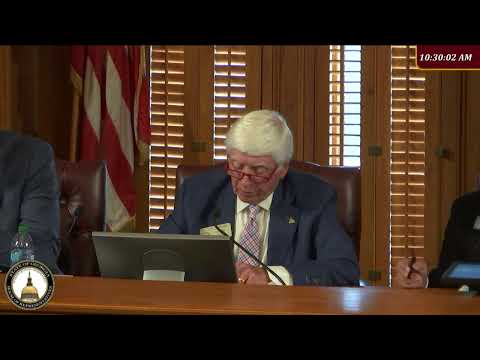
Committee examines SB 423 over out-of-state donation cap and constitutional concerns
Summary
Senator Rhett Guidry presented SB 423, a campaign finance transparency bill that would cap out-of-state contributions at 50%, add registration and a 'straw man' felony provision, and prompted questions about the bill's constitutionality and how 'Georgia person' is defined for donations.
Senator Rhett Guidry (Senator) presented Senate Bill 423, describing it as a campaign finance transparency bill that "allows Georgians to let Georgians 50% of candidate money cannot come from outside the state" and adding a "straw man provision" that would make intentionally routing illegal money into the state a felony.
Representative Park questioned whether the 50% cap was constitutional, asking, "Do you not care that this will more likely than not violate the Constitution?" Guidry replied by citing prior cases and arguing states have a compelling interest to limit outside interference and asserting the bill is not unconstitutional. Members drilled into the statutory definition of a "Georgia person," noting the bill text on line 80 references "paid individual income taxes" and asking whether refunds or filing (versus paying) would affect eligibility; sponsors argued the bill uses multiple factors (residency, property taxes, voter registration) to distinguish Georgia donors from non-Georgia donors.
Representative Evans pressed whether the bill would disqualify Georgians who receive refunds or temporarily change registration, warning the text as written could prevent refund recipients from donating. The sponsor acknowledged differences of opinion on that language but maintained the intent was to define non-Georgia persons. No formal amendments or votes were taken during the presentation.