Get Full Government Meeting Transcripts, Videos, & Alerts Forever!
Get email alerts on the Economic Development topic
No spam. Unsubscribe anytime.
Oak Forest official asks District 228 to support extension of TIF No. 7 to enable mixed-use redevelopment
Summary
Paul Ruine, assistant director of community and economic development for the City of Oak Forest, asked the Bremen District 228 board to support a state-level extension of Tax Increment Financing (TIF) District No. 7 so a proposed $39 million mixed-use project at 159th Street can proceed; the current TIF ends in 2039 and the city said at least a five-year extension is needed.
Paul Ruine, assistant director of community and economic development for the City of Oak Forest, told the Bremen CHSD 228 board that the city is seeking a state-authorized extension of Tax Increment Financing District No. 7 to make a proposed mixed-use redevelopment viable.
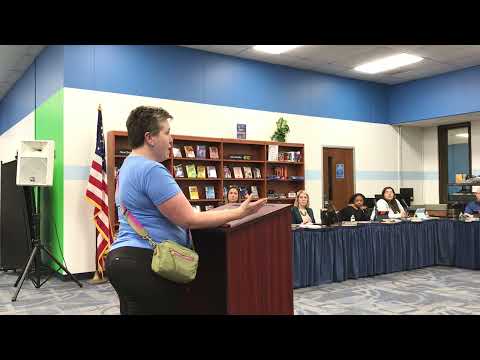
"What is being requested is a tax increment financing extension for Oak Forest's TIF district number seven," Ruine said during the board meeting. He described a plan centered on a former mobile-home park at 159th Street between Lamont and Laram avenues, with two retail pads along 159th and two multifamily buildings totaling about 120 one‑ and two‑bedroom units. He estimated the overall project cost at $39 million.
The city official said the district’s TIF currently expires in 2039, leaving 13 years under the frozen base assessed value established when the district was created. "With this they're only able to get so much value per year based upon what the city has been given," Ruine said, explaining that the limited incremental value under the current timeline leaves a financing gap for developers. He said the developer working on the site has executed a letter of intent and is conducting due diligence but is waiting to see if state legislation enabling the extension moves forward.
Ruine said the city had negotiated support from other taxing bodies and was looking for a minimum five‑year extension; he noted Illinois law limits redevelopment agreements to a maximum of 20 years. He also pointed to other potential redevelopment parcels in the TIF area, including a 4–5 acre concrete plant site the city hopes to relocate and redevelop around the train station to create a more walkable downtown character.
Board members asked procedural and fiscal questions, including how a TIF extension would affect tax bills and whether the extension would produce direct benefits for the district. Ruine replied that the extension would not raise current tax bills and that, if the project is completed, future increased property value would be redistributed to taxing bodies after the TIF expires; in the near term the public contribution helps bridge the financing gap to get the project built. He also said some student‑generation impacts had been considered and could be quantified by the district's TIF consultant.
The board did not take formal action on the TIF presentation at the meeting. Ruine said the city anticipates pursuing a state bill on the timeline needed and would welcome district input, including a possible support letter from the board if members choose to provide one.
The presentation began as agenda item 4.2 and included maps, renderings and project history provided by the city; Ruine identified himself on the record and offered to provide additional materials and cost‑per‑student calculations on request.
Next steps: the city will pursue state legislation and continue negotiations with the developer and other taxing bodies; the district may be asked for a support letter at a later board meeting.