Get Full Government Meeting Transcripts, Videos, & Alerts Forever!
Get email alerts on the Strategic Plan topic
No spam. Unsubscribe anytime.
Travis Unified workshop narrows reserve guidance, debates placement of HR and student wellness
Summary
At a May 1 strategic-plan workshop, a facilitator recommended a 22% reserve target but the board agreed to a revised draft that lists bullet points totaling a 20% recommended reserve; trustees also debated whether human resources and social-emotional supports should be explicit strategic objectives.
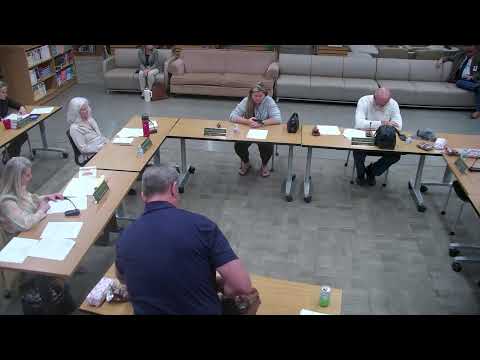
Fred, the workshop facilitator, opened the Travis Unified School District Strategic Plan Workshop on May 1 and framed the board's work: clarify the district's priorities so staff can align budgets and programs. "Your district budget, $90 million," he told trustees, adding that "about 80% of your budget is spent on people." He stressed that the board must choose what gets the highest priority because the district can't afford everything.
The facilitator laid out a fiscal snapshot and a concern that resonated through the workshop: a recurring structural deficit of roughly $2 million a year that, if unaddressed, will shrink reserves over the coming multi-year projection. He and district finance staff described current reserves near 21.5% (about $20 million) and observed that the state's 3% minimum reserve would not cover a month's payroll (roughly $6 million). The facilitator recommended aligning the district's reserve target with the state average, roughly 22%.
Board members pressed for flexibility. Several trustees said the precise percentage should be responsive to conditions and the multi-year budget projection rather than a rigid target. After lengthy discussion about which funds and pre-allocated items counted toward the district's reserve, the board agreed to a drafting compromise: the facilitator's recommended wording referencing state averages remained on the table, but the bullet-point composition in the draft fiscal integrity statement would be adjusted so the enumerated items add to a 20% working recommendation to be refined before formal adoption.
Trustees emphasized the practical uses of such a number. One trustee pointed out that a clearly communicated reserve target helps the district's negotiators and the public understand how much is available for compensation, programs, and one-time investments. The facilitator underscored that a reserve is a one-time funding source and cannot substitute for recurring revenue needed to close a structural deficit.
The workshop also considered changes to the strategic objectives. The facilitator proposed splitting the district's existing "facilities and grounds" objective into three: facility cleanliness and appearance; safety and security; and new and modernized facilities. He argued the change would make clear distinctions between daily maintenance, safety investments, and capital modernization needs.
Trustees then moved to a hands-on prioritization method for the board's 21 objectives: each trustee places 10 colored post-its on the objectives they value most; the group then tapes the results to a wall and negotiates a ranked order. The facilitator characterized the top priorities as the initiatives that receive both baseline funding and additional discretionary investments ("water and ice" analogy).
Several sustained exchanges followed about where to locate social-emotional wellness and human resources in the priority list. One trustee, role-playing a public commenter, argued wellness services had been expanded during the pandemic and should be re-evaluated; others warned that lowering non-mandated student-support services could reduce critical counseling resources. Another debate focused on whether Human Resources should remain an explicit objective or be treated as an underpinning business function; trustees left HR in the draft but acknowledged it invites public questions about recruitment, retention and pay.
The facilitator closed the workshop by outlining next steps: staff will refine the fiscal integrity wording and the draft ranked objectives and return them to the board for formal consideration at an upcoming regular meeting. The workshop did not adopt any of the strategic-plan items as final policy; it produced a revised draft and clear direction for staff action and follow-up.