Get Full Government Meeting Transcripts, Videos, & Alerts Forever!
Get email alerts on the Taskforce Governance And Transparency topic
No spam. Unsubscribe anytime.
Council members press for clarity on task-force governance, homemakers program and fiscal-sponsor fees
Summary
Several council members sought clarity about whether the African-American Equity Restoration Task Force is a separate fund (staff said it is not), asked for bylaws and appointment rules, discussed using task-force resources alongside the homemakers blight program, and urged caps on fiscal-sponsor fees and better feedback rubrics for applicants.
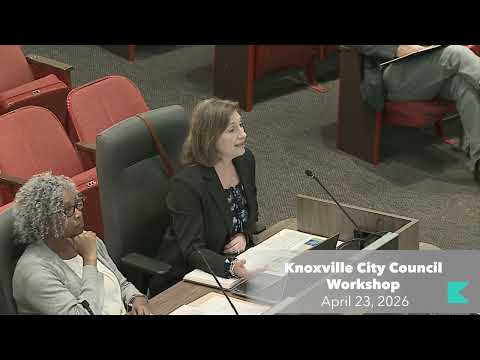
Council members used the workshop—s discussion time to press for governance and transparency clarifications.
Several councilmembers said constituents believed the African-American Equity Restoration Task Force represented a distinct pool of money that could be used outside of its current grant cycle. Councilman Parker asked whether the task force was a fund; Director Middlebrooks and other staff corrected that "there's not a fund set up for the African-American Equity Restoration Task Force," and explained task-force grants come from a line item in the Office of Community Safety and Empowerment budget. Staff agreed to circulate the creating resolution and the task-force bylaws to council for review.
Councilmembers also pressed how task-force membership is appointed. Discussion explored whether the mayor—s recommendations or the task force itself plays the dominant role under the initial resolution and bylaws; staff said the mayor historically submitted appointment recommendations and council approved them, and they agreed to provide the original resolution and bylaws for clarification.
On housing and redevelopment, councilmembers asked whether the city—s homemakers program (acquiring and redeveloping blighted properties) could align with task-force goals to support East Knoxville. Staff said the homemakers program dates to the 1980s, is locally funded (not a grant program), and recent projects have grown in scale (including multi-unit developments). Staff said they are exploring ordinance updates to reflect larger multifamily projects and that staff coordination is ongoing to identify synergies.
Councilman Grant urged a cap on fiscal-sponsor fees (citing 3—% as typical and 5—0% where admin is heavier) to prevent small organizations being priced out by fiscal agents. Staff indicated such a cap would require legal and finance review.
Council members also repeatedly requested better public-facing scoring rubrics and clearer feedback for unsuccessful applicants. Multiple presenters said each program has its own review criteria and that staff provide feedback when asked; the council asked staff to consider a standardized rubric or point system where practical and to make impact reports more accessible.