Get Full Government Meeting Transcripts, Videos, & Alerts Forever!
Get email alerts on the District Finance topic
No spam. Unsubscribe anytime.
Treasurer warns of $11 million projected spenddown and county changes that may trigger cash-flow pressures
Summary
Treasurer George Agonast reported a March month-end cash balance of $54,362,000, projected end-of-year cash of $36.7 million and a projected $11 million spenddown; he warned the county's plan to end tax-advance settlements in 2027 could create short-term cash-flow needs.
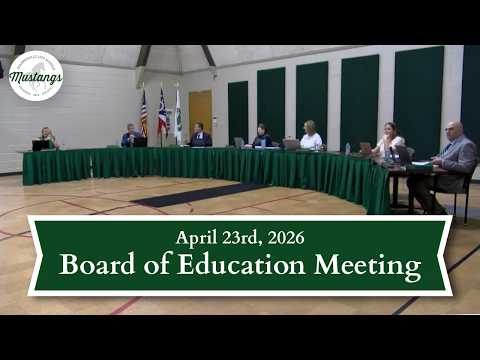
The Strongsville City School District treasurer told the board on April 23 that the district is projecting to spend down roughly $11 million of its cash balance this fiscal year and faces timing-related revenue challenges tied to county changes in tax-advance settlements.
Treasurer George Agonast reported a March month-end cash balance of $54,362,000, about $10 million less than the same month last year. He said revenues are trending about $1.1 million below forecast while expenditures are roughly $300,000 higher, yielding an "unfavorable net impact" of about $1.4 million as of March.
Agonast projected the district will end the fiscal year on June 30 with a cash balance of about $36.7 million, approximately 39% of projected cash expenditures, and a total cash spenddown for the year of about $11 million. He cautioned that a county move to end the tax-advance program starting calendar year 2027 means the district would receive a larger share of its tax revenue in March and August only, rather than the previous advance pattern. "That is going to have a negative impact on us... we could be looking at cash flow issues in January, February, and then March," he said, and noted the district may consider selling investments or issuing a tax anticipation note if the county program is not modified.
Agonast explained the revenue shortfall is partly a timing issue: tax bills were sent later and some collections occurred after the county's settlement date, producing cross-fiscal-year effects. He also cited higher-than-expected expenditures for salaries and benefits and increased special-education outplacements, utilities and purchased services. State revenue was noted as slightly above forecast and some TIF settlements provided partial offset.
Board members discussed next steps and options for outreach to county treasurers and state representatives. Agonast said district financial staff has coordinated with county officials and the Educational Service Center (ESC) to seek solutions and that the county indicated advances may be granted in documented hardship cases.
What happens next: Treasurer Agonast said he will follow up with the board as more detail or county decisions become available and that the district will monitor cash flow and consider financing options if needed.