Get Full Government Meeting Transcripts, Videos, & Alerts Forever!
Get email alerts on the Safe Schools Resolution topic
No spam. Unsubscribe anytime.
Community members urge Rondout Valley board to adopt "Safe Schools" resolution to protect immigrant students
Summary
Multiple parents, former staff and community groups urged the board to adopt a Safe Schools resolution guided by Ulster Rapid Response, NEA and NYCLU model language to limit non-local law enforcement access to schools and strengthen multilingual communications and data protections.
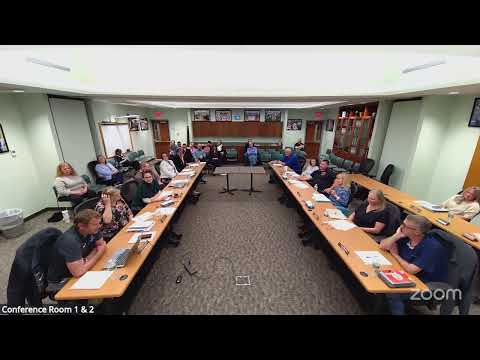
Several community members used the public-comment period at the Rondout Valley Central School District meeting on April 21 to press the board to adopt a Model "Safe Schools" resolution intended to strengthen protections for immigrant students and families in district schools.
Margot Sanchez, who identified herself in remarks as the speaker promoting the resolution and referenced guidance from Ulster Rapid Response, the NEA and the NYCLU, said adopting the resolution would align Rondout with neighboring districts and regional efforts and would not increase risk to the district. "Adopting the safe schools resolution doesn't put a target on anyone," she said, arguing that the district could provide protocols for non-local law enforcement, multilingual communications, and staff training.
Other speakers echoed that call. Mike Erwin, a parent, said existing state law and district policy were insufficient for current realities and outlined what he said the resolution would add: protocols for non-local law enforcement interactions, documentation and superintendent approval before non-local access, notification to parents, and data-security measures. Retired district staff member Diane Zuckerman said she has heard students say they fear a classmate would be taken, and urged the board to adopt the resolution in full.
Not all public commenters focused on the same approach: Richard Hobart, who identified himself as a police officer and school security officer, urged the board to maintain school resource officers, saying SROs provide immediate emergency response and relationship-building that can deter violence.
Board members did not vote on a Safe Schools resolution at the April 21 meeting; speakers framed their remarks as a request for the board to consider and formally adopt the model language. Several public commenters asked the board to act at a future meeting or through committee review; the board's staff noted options for training and translation supports that could accompany any policy change.
What's next: The board flagged the topic for further discussion; speakers requested a formal consideration and possible future vote on a Safe Schools resolution or similar measures to clarify protocols and protections for immigrant students and staff.