Get Full Government Meeting Transcripts, Videos, & Alerts Forever!
Get email alerts on the Investigations Process topic
No spam. Unsubscribe anytime.
Connecticut veterinary board reviews complaint volumes and explains investigative process
Summary
Board staff presented year‑by‑year complaint and investigation counts and outlined how the board accepts complaints, uses community consultants, and refers matters outside its jurisdiction, including billing and boarding issues referred to other agencies.
The Connecticut State Veterinary Board reviewed several years of complaint and investigation data and heard from staff about how complaints are processed and when the board opens investigative or disciplinary action.
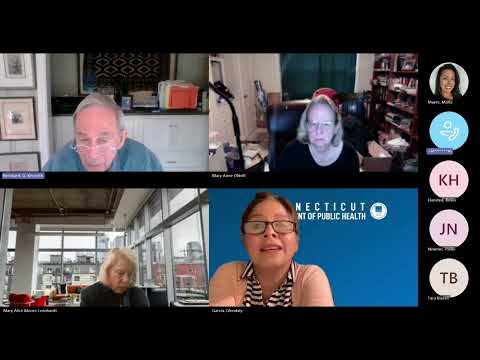
Glendali Garcia, supervising special investigator for the practitioner license investigation section, told the board the agency accepts complaints by mail or email and receives referrals from other bodies, including the Department of Consumer Protection for billing disputes. She said the board does not reject public submissions but will refer matters it lacks jurisdiction over and opens investigations when there are allegations of a standard‑of‑care violation, assigning community consultants when expert review is needed.
The board and Garcia clarified how to read the chart presented: the column labeled “closed” includes cases closed after investigation or resolved by community consultant review; a separate column lists matters where “further investigation not warranted” because jurisdiction did not exist. Garcia corrected an initial misreading of the table and confirmed totals for 2021–2026 as presented by staff.
The board discussed what it means when an "attorney is assigned" to a case: community consultants may find evidence of a deviation in standard of care that prompts referral to the board attorney for legal sufficiency review and potential presentation to the board for prosecution or a consent order. Garcia said disciplinary outcomes, including consent orders, are published on the state's public eLIC site.
A board member who described volunteering with an advocacy group urged continued responsiveness to callers and recounted recent intake work; the member said one caller reported a pet that died following sedation for a nail trim. Members thanked staff for the report and asked that the case‑update chart be included on a quarterly basis going forward.
Board Chair Bernard said the explanation and documentation helped members understand which complaints the board can act on and which must be routed elsewhere. The board scheduled the next full meeting for Aug. 26.