Get Full Government Meeting Transcripts, Videos, & Alerts Forever!
Get email alerts on the Fleet Management topic
No spam. Unsubscribe anytime.
City hears fleet program update; staff say replacement plan cut annual costs and improved safety
Summary
An Enterprise representative said the fleet partnership cut the city's fleet budget from roughly $411,000 to $274,000, replaced older vehicles to improve safety features and reported year‑to‑date savings of about $183,000; council heard the presentation and asked questions about fuel and maintenance trends.
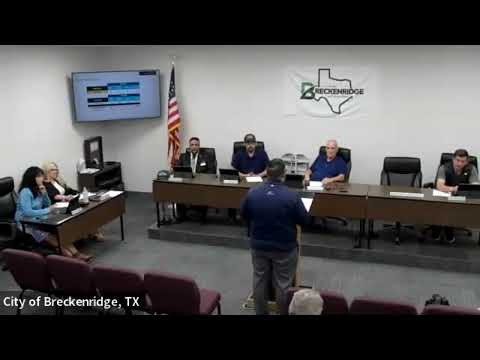
The city council heard a presentation from Enterprise on the status of Breckenridge's fleet replacement program and year‑to‑date savings.
"Last year we replaced 22 vehicles for you guys," David Kasco of Enterprise told council. Kasco said the previous replacement cadence (three vehicles per year with a 10‑year cycle) left the fleet aging; since the partnership the average vehicle age has improved substantially and safety features such as automatic braking and lane‑departure aids are now present in a much larger share of the fleet.
Kasco presented comparative numbers: previous annual fleet costs (purchase and operating) had totaled about $411,000; under the partnership that top line was reduced to about $274,000, producing an accumulated savings balance he described as about $137,000 and year‑to‑date additional savings of roughly $45,000 that brought a stated YTD savings figure to about $183,000. He also cited maintenance and insurance cost pressures—maintenance up about 37% on a four‑year roll and insurance rising 10–15% year over year—and said fuel-cost changes would be reflected in next year's numbers.
Council members asked whether recent fuel‑price volatility would be captured; Kasco said any new fuel impacts would appear in next year's reporting rather than the current 12‑month roll.
What happens next: staff will continue to monitor metrics from Enterprise and include fuel and maintenance trends in next year's report to council.