Get Full Government Meeting Transcripts, Videos, & Alerts Forever!
Get email alerts on the Budget topic
No spam. Unsubscribe anytime.
Mayor Young proposes $897 million FY27 Memphis budget; public commenters press for police accountability and youth mental health
Summary
Mayor Paul Young presented a $897 million proposed FY27 budget that prioritizes personnel (72% of the operating budget) and capital projects including 3,000 summer jobs and $20 million for paving; public commenters urged $2 million for youth mental health, more transit funding, and release of body‑camera footage after protest arrests.
Mayor Paul Young presented a proposed $897 million operating budget for fiscal year 2027 to the Memphis City Council on April 21, emphasizing personnel investments, housing and infrastructure projects and a 2% across‑the‑board pay increase for city employees.
The proposal, which Mayor Young said was developed with independent revenue estimates from the University of Memphis and review of division requests, allocates roughly $652 million to personnel — about 72% of the operating budget — and includes a roughly $106 million capital improvement program. "This is a people‑driven budget," Mayor Paul Young said during the presentation, summarizing that officials evaluated more than $150 million in cost pressures and about $38.2 million in division requests before balancing the plan.
Why it matters: The plan holds the line on taxation while directing dollars toward public safety, neighborhood infrastructure, housing and culture, but members of the public told the council the proposal underfunds mental‑health supports for youth and transparency and accountability for the police department.
Key features of the proposal include a 2% pay increase proposed for all city employees, a restored housing trust fund at $3 million, a $1 million middle‑income housing infrastructure program to pay for developer‑facing public infrastructure, $10 million in federal housing/community development funds, and an $825,000 increase for the Office of Creative and Cultural Economy tied to a new "Memphis Music Live 365" initiative. The mayor also highlighted specific projects: funding the Southwest Twin police station, design for a Glenview pool, a new library design in Parkway Village, $20 million for paving and potholes, upgrades to parks and recreation facilities, and 3,000 summer jobs for youth.
Mayor Young also described FY26 accomplishments he said laid groundwork for the budget: removal of more than 600 tons of debris, 86,000 bags of trash and 25,000 tires, about 1,700 expungements and 326 driver's‑license reinstatements, and what he characterized as a reduction in serious crime from 2023 levels after recent initiatives and grant funding.
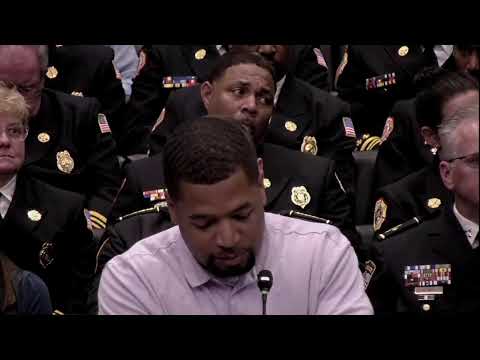
Public comment: Dozens of residents and advocates took the podium during the public‑comment period. Leona Benecia, a health educator with the Step Ahead Foundation, asked whether the Memphis Ambassador Program (MAP) remains funded or is being replaced under the new plan. "I am curious about the condition, or I should say the state of the Memphis Ambassador Program," Benecia said, seeking clarity on how youth engagement will be supported.
Amber Sherman urged the council to amend the budget to add $2 million dedicated to youth mental health, saying prevention services are a key part of addressing youth opportunity and community safety. "I would ask for this city council to make sure that there's an amendment made to fund youth mental health at $2 million," Sherman said.
Several speakers pressed the council on police conduct and transparency following protest arrests. Sandra Barrett criticized officers' actions at the Kings 3 protest and called for accountability beyond paid administrative leave, saying, "Your police officers acted in a fascist manner…Shame on Chief Davis for many reasons. Remember Tyre Nichols? Shame on Mayor Young." Jason Montoya of Indivisible Memphis demanded "the release of complete and unedited body camera footage to the public from all officers involved" and called for disciplinary measures stronger than paid suspension.
Advocates for transit and legal‑system reform also spoke. Dennis Lynch, representing the Sierra Club and Better Transit for Better Memphis, said transit has been underfunded for years and proposed increasing transit investment by $20–$30 million to expand service, raise operator pay and improve frequency. Jessica Miller said "budgets are moral documents" and criticized a reported 16% proposed increase to the city attorney's office while urging more funding for compliance and accountability tied to the federal Kendrick decree governing Memphis Police Department practices.
Other public comments included personal testimony from protest‑injury witnesses and calls for broader economic revitalization strategies for neighborhoods historically bypassed by major development.
What the council did: The meeting was a presentation and public‑comment session; no council vote on the budget was taken that day. Councilman Canale moved to adjourn at the close of public comment and Vice Chair Carlisle seconded; the motion carried and the special called meeting was adjourned.
Next steps: Council members will have the budget books delivered to their offices for review and are expected to continue dialogue and deliberations during the formal budget process.