Get Full Government Meeting Transcripts, Videos, & Alerts Forever!
Get email alerts on the School Utilization topic
No spam. Unsubscribe anytime.
Outside study: Greenwich elementary schools lack capacity to support broad consolidations, projects show pockets of overcrowding
Summary
An outside utilization study presented to the BET shows the district has roughly 298 full‑size elementary classrooms, uses a 90% planning efficiency (about 21 students per classroom) and projects about 200 additional elementary students within five years — findings that argue against systemwide consolidation.
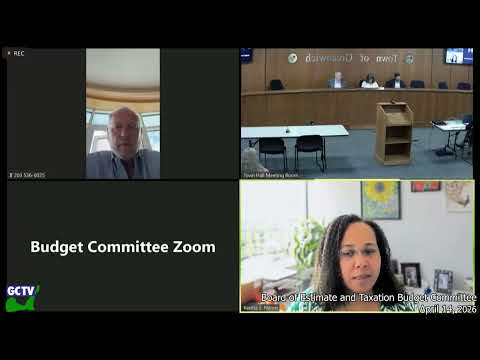
An externally conducted elementary school utilization study presented to the BET Budget Committee found the district lacks the spare classroom capacity to support broad consolidation across Greenwich, though individual schools show under‑ and over‑utilization that will inform capital planning.
Dr. Jones and Ben Brandon, presenting material covered with the Board of Education on March 19, said consultants verified floor plans and interviewed principals before producing classroom inventories and planning metrics. The report counts about 298 full‑size classrooms district‑wide and applies a 90% planning efficiency to allow operational flexibility; that methodology produced a planning capacity of roughly 21 students per classroom. "There does not appear to be sufficient capacity to consolidate facilities," Dr. Jones said, summarizing the consultants’ principal conclusion.
The study introduces the concept of "flex" rooms — full‑size rooms used for other purposes today but that could be converted if enrollment changes — and identifies only a handful of those across the district. The presentation highlighted specific pressure points: Glennville was identified as operating at or above 100% capacity in grades where a "bubble" of students required using interior spaces not designed as classrooms; Riverside and North Street were singled out among schools that exceed normal planning capacity in five‑year outlooks.
Enrollment projections prepared for the presentation show the district could add approximately 200 elementary students over five years (the presenters recommended relying primarily on five‑year forecasts rather than 10‑year projections). The consultants recommended planning on the five‑year outlook when sequencing capital projects; the presentation also noted eligibility and reimbursement incentives for early‑childhood additions (a 15% reimbursement bonus on eligible project costs under recent Connecticut guidance was discussed in context of Riverside).
The committee asked follow‑up questions about flex spaces, how flex rooms are currently used (support programs such as title‑one math/ELA interventions at Hamav), and whether centralizing pre‑K would be advisable. Presenters said centralization is generally not recommended given building constraints, egress/fire‑code requirements and the costs and operational burden of running a separate early‑childhood facility.
Next steps: the Board of Education’s building committees and the BET will use the utilization findings to inform capital planning and timing for projects including North Street and Riverside; the committee expects updated enrollment numbers in the fall as it sequences capital budgeting and bonding decisions.