Get Full Government Meeting Transcripts, Videos, & Alerts Forever!
Get email alerts on the Employment Law topic
No spam. Unsubscribe anytime.
Appeals court hears dueling views on Slack spoliation and causation in DeBono v. Wayfair
Summary
In DeBono v. Wayfair, plaintiff argued missing Slack messages and other destroyed material create an adverse-inference showing of retaliation that should preclude summary judgment; Wayfair counters that pre-complaint performance issues and remedial steps taken mean spoliation cannot, on its own, prove causation. The court left fact questions for later resolution.
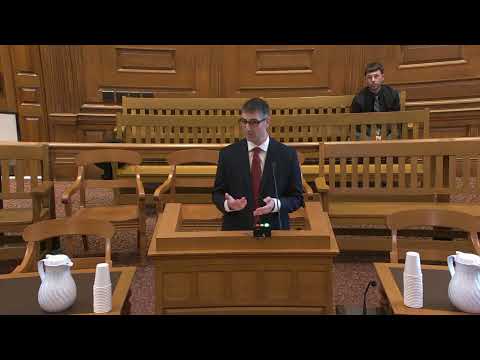
Rob Mantel, representing Richard DeBono, told the panel that Wayfair ceased meaningful coaching and solicited negative feedback after DeBono complained about age discrimination and caregiver accommodations. Mantel said Wayfair failed to preserve Slack messages and other records after a June 5 demand to “save your Slack messages,” creating an adverse inference the jury should be permitted to draw: “If we can get an adverse inference based on that, that solves the case because there's an inference of retaliation,” Mantel argued.
Wayfair counsel Patrick Bannon emphasized the chronology showing preexisting performance concerns and explained Wayfair converted a PIP to a PDP and offered accommodations after the complaint. Bannon acknowledged the company “dropped the ball” on preserving ephemeral Slack messages, but argued that Judge Connolly’s summary-judgment decision appropriately distinguished the sufficiency-of-the-evidence inquiry from the later trial judge’s exclusions and that spoliation alone cannot rescue causation where other documents and depositions do not support retaliation by a preponderance. "The test is reasonable certainty based on concrete evidence," he said, noting courts evaluate intentionality and likely prejudice when determining remedies for spoliation.
The panel probed whether an adverse inference from missing internal communications could, at summary judgment, alter causation analysis when the record also contains pre-complaint PIP/PDP steps and deposition testimony. The justices explored whether the prior Superior Court decisions and spoliation doctrine required a factfinder to hear the issue or whether summary judgment was appropriate given the evidentiary record. The case was submitted after argument.