Get Full Government Meeting Transcripts, Videos, & Alerts Forever!
Get email alerts on the Criminal Procedure topic
No spam. Unsubscribe anytime.
Defense urges expanded Portillo protections after missing Spanish transcript in Figueroa appeal
Summary
In Commonwealth v. Figueroa, defense counsel argued the Commonwealth failed to provide a verbatim English transcript or certified translation of a Spanish-language interview and asked the Appeals Court to extend Portillo safeguards where self-defense was central and the defendant later testified. The prosecutor said the record contains audio and a police-report summary; the court reserved decision.
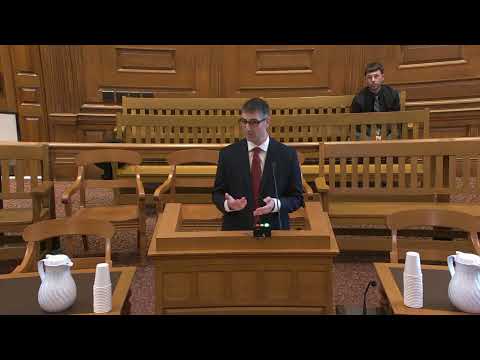
Defense counsel Genevieve Henrique told the panel that the record lacks a verbatim English transcript or certified translation of a Spanish-language recorded interview the Commonwealth relied on, and argued that omission prejudiced trial preparation and fairness. “This was a fact driven case, and this analysis should be fact driven as well,” Henrique said, adding the absence of a word-for-word transcript impeded defense counsel’s ability to prepare and to test whether an officer’s summary accurately reflected the defendant’s statements.
The panel pressed both sides about what the record actually contains. One justice asked directly whether the defense ever received audio of the recording; Henrique said the record before the court reflects only a visual recording and summaries in police reports, not a verbatim English transcript. That exchange framed Henrique’s primary argument that Commonwealth v. Portillo’s safeguards should be expanded when self-defense is a central trial issue and the defendant later testifies in a way that might be impeached by an officer’s account.
Assistant District Attorney Megan Horn responded that the Commonwealth provided a recording with audio in its supplemental record appendix filed on an earlier docket and that the police report contains the substance of the defendant’s statements. “The Commonwealth did provide defense counsel with a recording with the audio intact,” Horn said, and she offered to submit additional materials for the court’s review.
The justices questioned how the trial judge handled the midtrial ruling (excluding the substance of the video for the Commonwealth’s case-in-chief) and whether limiting instructions or rebuttal usage by the Commonwealth improperly permitted the officer’s testimony to be heard for truth rather than for credibility alone. Henrique argued the combination of no transcript, officer testimony about substance, and corroborating medical records created an unfair totality for her client; Horn said limiting instructions and the record show the defense was on notice that the statements might come in if the defendant testified.
The case was submitted after argument and questioning; the court reserved decision.