Get Full Government Meeting Transcripts, Videos, & Alerts Forever!
Get email alerts on the School Industry Partnership topic
No spam. Unsubscribe anytime.
LaShip and local maritime firms propose paid internship pipeline with Lewis Miller CTE
Summary
Industry representatives including LaShip and Edison Chouest told the Terrebonne Parish committee they will work with Lewis Miller Career & Technical High School to develop paid internships that could evolve into apprenticeships and count as transcript credit; staff will draft an MOU and partners offered equipment and instructor support.
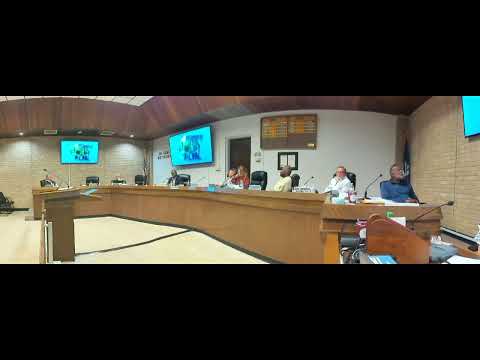
Al Archer, a maintenance technician who represented the company delegation, told the Terrebonne Parish School District Education, Technology and Policy Committee on April 21 that industry partners are ready to work with Lewis Miller Career & Technical High School to create a pipeline of students into shipyard trades.
“We're open. We're here to work with our students,” Archer said, asking the committee for approval to move forward with a vocational plan that would map a student pathway from ninth grade through graduation into roles such as welders, pipefitters, shipfitters and marine electricians.
Wally Naka, general manager of LaShip, said the shipyard can provide equipment and on-site training and that company leadership has given the directive to “make this work. Keep these kids in Terrebonne Parish.” Naka told the committee the yard has welding machines, lathes and electrical equipment that could be made available for school use or training.
William Simmons, principal at Lewis Miller Career & Technical High School, described a tentative two-year welding pathway the school would start with: first-year oxy‑fuel cutting and iterative welding positions (1G–4G), followed by second‑year advanced layouts and pipe‑fitting skills. Simmons said the program would lead to industry certificates and use existing credentialing partners.
Daryl Dillard, supervisor of secondary education, said district staff will draft a memorandum of understanding that outlines partner responsibilities, required skills and program logistics. “This would be a paid internship for these students. Um, and this would also count as a Carnegie unit on their graduation,” Dillard said, describing the proposed credit/recording approach for the internships.
Presenters and local employers emphasized starting small with internships and scaling to apprenticeships as employer needs and school capacity are refined. Several industry representatives offered instructor mentoring and equipment donations to reduce the district’s upfront costs; the presenters also invited district leaders to tour shipyard and training facilities to better understand the operations.
Next steps: district staff will work with Lewis Miller and industry partners to draft the MOU and return to the committee with a schematic program plan, equipment needs and an implementation timeline. No formal board vote on the partnership was recorded in the committee transcript; discussion ended with committee members expressing support to proceed with planning.