Get Full Government Meeting Transcripts, Videos, & Alerts Forever!
Get email alerts on the Commuter Benefits topic
No spam. Unsubscribe anytime.
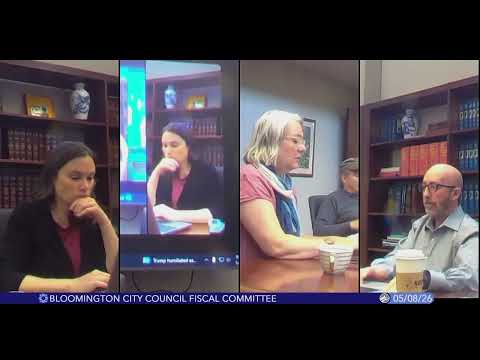
Committee reviews commuter benefit options, staff cites $4-per-trip incentive up to $500 annually
Summary
Council committee discussed parking cash-out alternatives and verification challenges for a sustainable commuter incentive; staff read handbook language describing a taxable $4 per-trip benefit capped at $500 a year.
Committee members spent the meeting’s opening discussing how to structure a commuter benefit in lieu of free parking, weighing equity, administrative complexity and verification.
Committee member (speaker 1) outlined models used elsewhere — including options to allow employees to forego a parking spot in exchange for alternate benefits or limited day passes — and raised equity as a central purpose. Participants explored whether the option should be administered as an HR benefit, a TDM (transportation demand management) policy or a taxable cash-out.
Staff member (speaker 6) read from the employee handbook: "The sustainable commuter incentive allows any regular employee to receive a taxable $4 incentive up to a total amount, annual amount of $500 for each time they sustainably commute to and from their worksite for this for scheduled shift." The reading clarified that, under current policy language, the incentive is taxable and subject to an annual cap.
Committee members discussed practical implementation concerns, including verification. Some favored a one-time annual payment or allowing employees to buy a limited number of day passes rather than requiring daily time-tracking. Others warned about incentives to misreport behavior under an honor-based verification system and recommended simpler verification methods such as visible parking permits.
There were no changes to policy or formal votes at the meeting; the committee deferred further action and invited follow-up from staff and subject-matter contributors to refine options and implementation details.
Next steps include gathering best-practice examples and follow-up conversations with staff who previously ran similar programs.