Get Full Government Meeting Transcripts, Videos, & Alerts Forever!
Get email alerts on the Accessory Structure topic
No spam. Unsubscribe anytime.
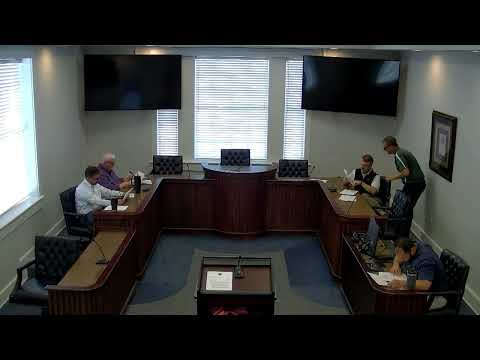
Board denies variance to build 2,100‑sq‑ft accessory structure at 104 Timberlane Drive
Summary
The Easly City B zoning board denied PLN VR2603, a request to increase the permitted accessory structure size to 2,100 sq ft, citing UDO limits, neighborhood impact and the absence of a qualifying hardship; the applicant said he would landscape to screen the building but staff and neighbors raised concerns about scale and material.
The Easly City B zoning board of appeals voted to deny PLN VR2603, a request to increase the allowed accessory‑structure footprint at 104 Timberlane Drive from the standard baseline to approximately 2,100 square feet. Staff and a neighbor opposed the request, saying the applicant’s reasons reflected preference rather than the extenuating hardship required for a variance under state and local rules.
Staff presented the application and flagged the size as substantially larger than the typical accessory structure limit and raised concern about impacts on adjacent properties. The staff report noted one neighbor objection and recommended denial. Board members discussed the city’s Unified Development Ordinance (UDO) limits — 1,200 square feet for an accessory structure with a 1,600‑square‑foot cumulative cap per parcel — and the fact that metal buildings are not permitted in residential zoning without appropriate cladding.
Applicant Nathaniel described the lot, existing trees and a concrete pad, and said he collects vehicles and boats and planned landscaping and horizontal siding to match the house. He told the board he would underplant and replant trees to screen the building. Donna Rainey (118 Daniel Drive) said the request was based on preference, not hardship, and argued the board should deny the variance to preserve ordinance integrity.
A motion to deny PLN VR2603 was made and seconded; the board voted to deny the variance based on exceeding the permitted accessory square footage and neighborhood compatibility concerns. The board discussed whether the UDO should be reviewed for tiered accessory allowances in the future, but members concluded that the current request did not meet variance standards and must be denied.