Get Full Government Meeting Transcripts, Videos, & Alerts Forever!
Get email alerts on the Fire Act topic
No spam. Unsubscribe anytime.
Lawmaker urges passage of FIRE Act to shield prescribed burns from Clean Air Act penalties
Summary
A member of the House urged colleagues to back HR 6387, the FIRE Act, saying it would amend the Clean Air Act so prescribed burns used for wildfire mitigation are treated as "exceptional events" and not counted against states under national air quality standards.
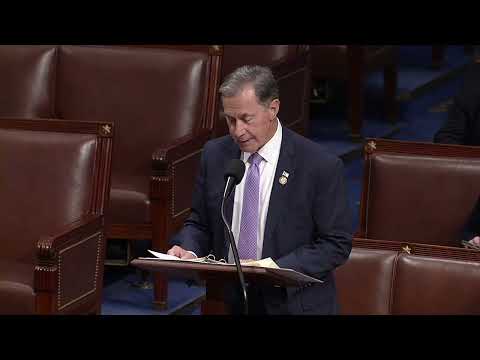
A lawmaker addressed the House floor in support of HR 6387, the FIRE Act, saying the bill would amend the Clean Air Act so states are not penalized for using prescribed or controlled burns and brush clearing as wildfire mitigation practices. "I rise today in support of HR 6387, the FIRE Act," the lawmaker said, noting the measure was introduced by Congressman Gabe Evans of Colorado and co-led by Congressman Adam Gray of California.
The speaker argued that current rules under the Clean Air Act can deter states from conducting prescribed burns because such burns are "human caused, likely to recur and preventable," and therefore do not automatically qualify as "exceptional events" under the statute. The lawmaker said EPA attempted in 2016 to amend the exceptional event rule to include prescribed burns but that effort "failed," and added that "only one prescribed fire qualified for the exceptional event exception in the last decade." The FIRE Act, the speaker said, would directly amend the Clean Air Act so prescribed burns are treated as exceptional events, providing "clarity and predictability for air quality planning" and encouraging proactive wildfire mitigation.
Supporters, the speaker said, see the change as necessary given what was described as an escalating wildfire threat and a potentially severe upcoming wildfire season. The bill is framed as protecting communities from "the devastating impact of wildfires" by allowing mitigation activities without the risk of states losing compliance with national air quality standards.
The transcript includes no formal vote or amendment on the measure. The floor remarks concluded with the lawmaker urging colleagues to join in support of the FIRE Act; no further action or recorded outcome appears in the provided transcript.