Get Full Government Meeting Transcripts, Videos, & Alerts Forever!
Get email alerts on the Parks Budget topic
No spam. Unsubscribe anytime.
Parks advisory commission forwards $22.9 million FY27 parks budget to City Council
Summary
The Ann Arbor Parks Advisory Commission unanimously approved fee adjustments and forwarded a proposed FY27 parks budget of about $22.9 million to City Council on April 21, 2026; the package includes two new staff roles, conversion of four seasonal positions to full time, and modest new fees for longer, cap‑limited programs.
The Ann Arbor Parks Advisory Commission on April 21 unanimously approved and forwarded the Parks and Recreation Department's proposed FY27 budget to City Council, a plan Josh, parks staff, said proposes about $22.9 million in total spending and relies on an expected parks millage draw of roughly $9.5 million.
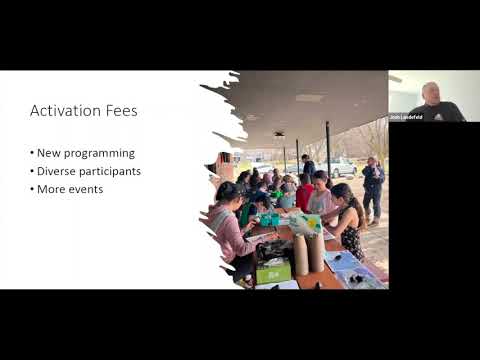
The commission also approved a resolution to adopt fee adjustments that will allow the department to charge modest fees for longer, skill‑based or cap‑limited programs while keeping many drop‑in and introductory activities free. Commissioner Larry moved the fee resolution and Tisha seconded; members voted in favor with no recorded opposition.
Why it matters: the FY27 package balances growing costs for labor, fleet and supplies with continued community expectations for free or low‑cost access to passive park amenities. Josh told commissioners the department had carried most items forward from last year's FY27 plan and that the proposed budget splits funding primarily between the parks millage and the city general fund.
Key details: Josh said the budget anticipates about $9.5 million from the millage (about 41 percent of parks funding) and roughly $13.4 million from the general fund, yielding the roughly $22.9 million total. Staff called out two proposed new full‑time positions previously recommended in planning materials: a recreation coordinator to support recreation operations and a planning coordinator to help with an increasing project workload. In addition, staff proposed converting four park operations temporary positions into year‑round roles to support maintenance and succession needs; those positions are expected to be split between the general fund and millage funding.
On costs, Josh said recurring expense drivers include higher wages and supplies and that the department's aging fleet and increased fleet charges contributed to an estimated $312,000 increase in impacts beyond the targeted budget. He told the commission the fleet account is managed through the city's fleet system and that rising vehicle prices widen the delta paid into that account each year.
About fees, Josh said the department is seeking authority to charge for longer or limited‑capacity programs (for example, an eight‑week environmental education class capped at 30 participants) while preserving drop‑in community offerings. "A lot of times people will sign up for a free program and take spots away," he said, arguing that a modest fee helps ensure commitment and cover staff time for intensive offerings.
Votes and next steps: the commission voted to forward the FY27 budget to City Council; Josh said council will receive the proposal for first review at its first May meeting and that final council approval is expected at the council's second May meeting. The commission asked staff to provide quarterly check‑ins to review implementation and spending.
The commission also elected new leadership for the coming year and expects to reconvene in May to monitor the department's recovery and FY27 implementation.